Perspective
Emotions and Mood
Managing sudden mood shifts and emotional sensitivity
Mood shifts across your cycle are real and valid. Estrogen and progesterone directly affect neurotransmitters like serotonin and dopamine — as these hormones rise and fall, your emotional state naturally shifts too. Many women feel more confident and social around ovulation when estrogen peaks, and more irritable, anxious, or tearful in the luteal phase as hormones drop. Understanding these patterns is the first step to emotional balance.

Hormones influence mood
Estrogen and progesterone directly affect neurotransmitters like serotonin and dopamine. As these hormones rise and fall throughout your cycle, your emotional state naturally shifts — this is biology, not weakness.
Common emotional patterns
Many women feel more confident and social around ovulation when estrogen peaks, and more irritable, anxious, or tearful in the luteal phase as hormones drop. These patterns are normal but can be challenging to navigate.
Working with your emotions
Rather than fighting your emotional rhythms, understanding them can help you plan accordingly. Brain-based tools can also help regulate emotional responses and build resilience across your cycle.
What causes Emotions and Mood?

Estrogen and serotonin
Estrogen promotes serotonin production and receptor sensitivity. When estrogen peaks around ovulation, mood tends to be more stable and positive. When it drops in the luteal phase, serotonin decreases too, contributing to low mood and irritability.
Progesterone and GABA
Progesterone metabolites activate GABA receptors, which promote calm. But for some women, the brain’s response to these changes triggers anxiety rather than relaxation — explaining why the luteal phase can feel emotionally turbulent.
Dopamine fluctuations
Dopamine — the neurotransmitter of motivation and reward — fluctuates alongside estrogen. Lower dopamine during certain cycle phases can lead to reduced motivation, difficulty experiencing pleasure, and emotional flatness.
Stress amplification
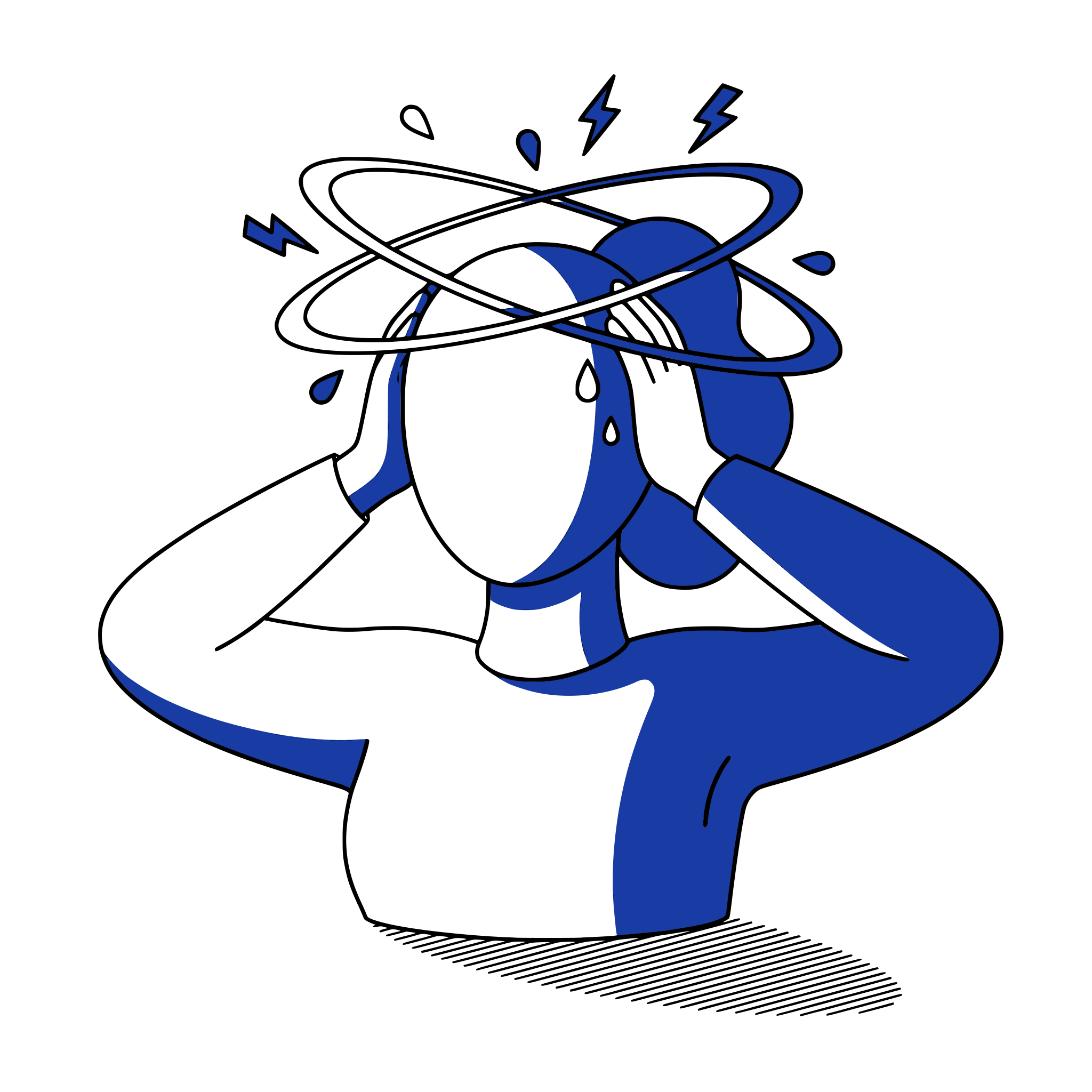
Cortisol interacts with reproductive hormones. Chronic stress can intensify cycle-related mood shifts, creating a feedback loop where emotional symptoms increase stress, which in turn worsens hormonal balance.
Common symptoms of Emotions and Mood
Mental & emotional
Mood swings
Rapid shifts between emotions that feel disproportionate to your circumstances
Irritability
Short temper and low frustration tolerance, particularly in the luteal phase
Anxiety
Heightened worry, nervousness, or feeling on edge before your period
Low mood or tearfulness
Feeling down, hopeless, or crying more easily than usual
Feeling overwhelmed
Normal responsibilities feeling unmanageable during certain cycle phases
Emotional flatness
Feeling numb, disconnected, or unable to experience pleasure
Physical
Fatigue
Emotional exhaustion manifesting as physical tiredness and low energy
Appetite changes
Emotional eating, increased cravings, or loss of appetite tied to mood shifts
Sleep disruptions
Emotional distress affecting ability to fall or stay asleep
Tension headaches
Physical tension from emotional stress and hormonal fluctuations
Treatment options
Emotional wellbeing across your cycle responds best to a combination of self-awareness, lifestyle strategies, and targeted support. Start with understanding your patterns, then explore additional options as needed.

Non-invasive neurostimulation
Brain-based approaches that support emotional regulation by targeting how your nervous system responds to hormonal fluctuations.
Cognitive behavioral therapy
CBT helps identify thought patterns that amplify emotional reactions and build more balanced responses.
Medication support
For persistent mood symptoms, SSRIs or hormonal treatments may help stabilize neurotransmitter fluctuations. Consult your healthcare provider.

Mindfulness and movement
Regular exercise, meditation, and breathwork help regulate the nervous system and build emotional resilience across your cycle.
Cycle awareness
Understanding your emotional patterns allows you to plan demanding tasks for resilient phases and build extra support when vulnerable.
Social connection
Maintaining relationships and support networks, particularly during phases when withdrawal feels easier, helps buffer emotional symptoms.
Do’s and don’ts
Do
Track your emotions across your cycle
Use the Samphire App to identify when mood shifts occur and understand your unique emotional rhythm
Name what you’re feeling
Labeling emotions reduces their intensity — acknowledge rather than suppress
Move your body
Exercise boosts serotonin and dopamine, directly counteracting hormone-driven mood dips
Plan around your cycle
Schedule demanding social or work events during your more resilient phases when possible
Practice stress management
Meditation, breathwork, and gentle yoga help regulate the nervous system
Consider brain-based tools
Devices like Nettle (UK/EU) or Lutea (US/Canada) use neurostimulation to support emotional regulation across your cycle
Maintain social connections
Resist the urge to isolate during low phases — connection supports emotional health
Don’t
Dismiss your feelings as ‘just hormones’
Cycle-related emotions are real and valid — understanding the biology doesn’t diminish the experience
Make major decisions during emotional lows
If possible, delay important decisions until you’re in a more emotionally stable phase
Self-medicate with alcohol or caffeine
These can amplify mood instability and disrupt sleep, worsening the cycle
Isolate yourself
Social withdrawal during difficult phases can deepen low mood and increase anxiety
Ignore persistent mood changes
If emotional symptoms significantly interfere with daily life, consult a healthcare provider — it may be PMS, PMDD, or another condition
Common questions about Emotions and Mood
Our blog


