Perspective
Premenstrual Syndrome
Widespread but often overlooked mood and body shifts
Premenstrual syndrome (PMS) describes a range of physical and emotional symptoms that emerge during the luteal phase of your cycle — the 1-2 weeks before your period. While common, PMS is often minimized or dismissed even though it can significantly impact daily life, work, and relationships. What's increasingly understood is that hormonal fluctuations affect brain chemistry, particularly serotonin, which regulates mood, sleep, and appetite.

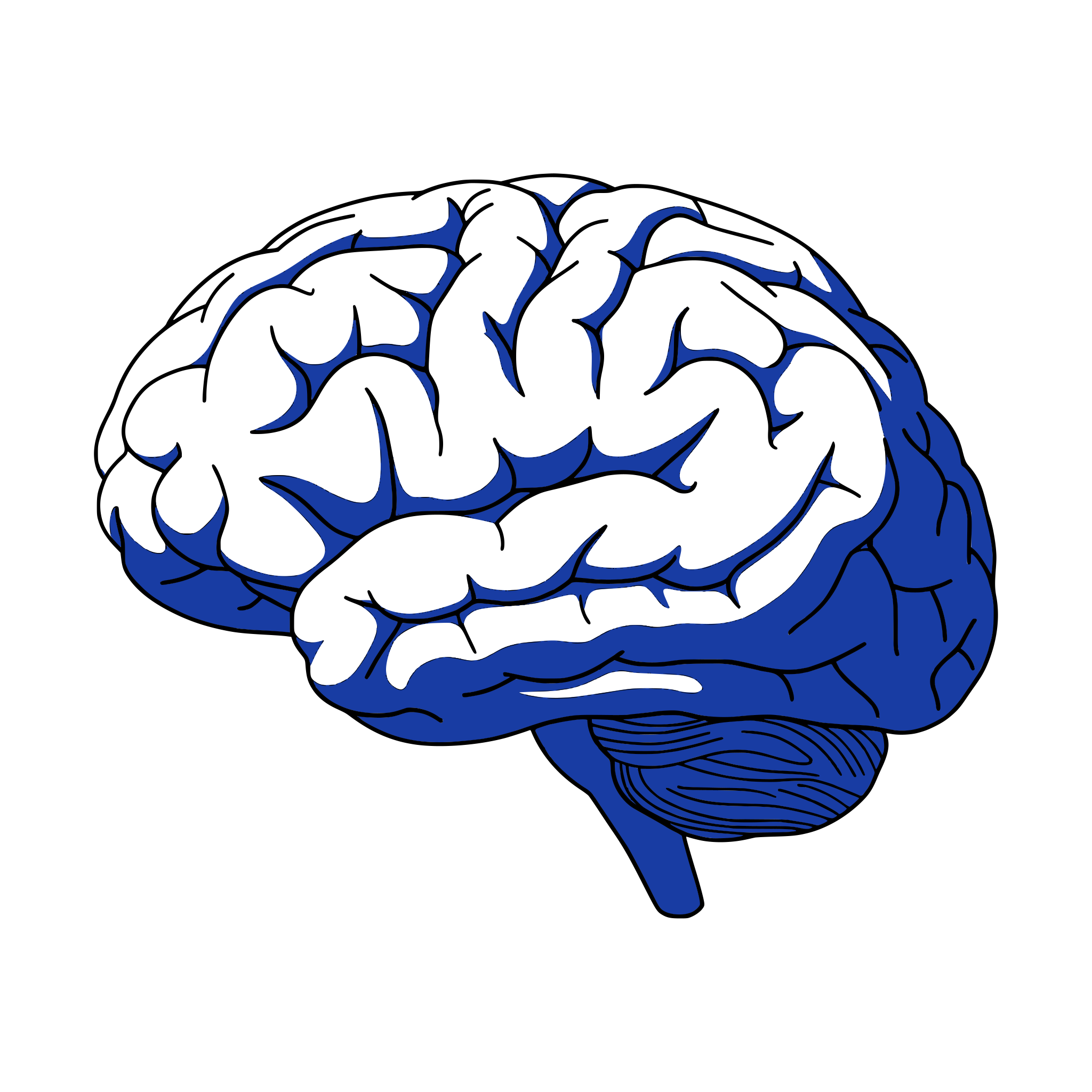
Brain-hormone connection
During the luteal phase, estrogen and progesterone levels rise then drop sharply. Your brain's sensitivity to these changes varies from person to person, which explains why PMS affects people differently. Serotonin — a neurotransmitter that regulates mood, sleep, and appetite — fluctuates alongside your hormones.

Extremely common
Up to 75% of menstruating women experience some form of PMS, yet symptoms are frequently minimized. While milder than PMDD, PMS still has real physical and psychological effects that deserve attention and support.
Manageable with the right approach
Management strategies include lifestyle changes, dietary adjustments, exercise, and stress reduction. For more severe symptoms, medical treatments and brain-based approaches can help regulate the nervous system's response to hormonal changes.
What causes Premenstrual Syndrome?
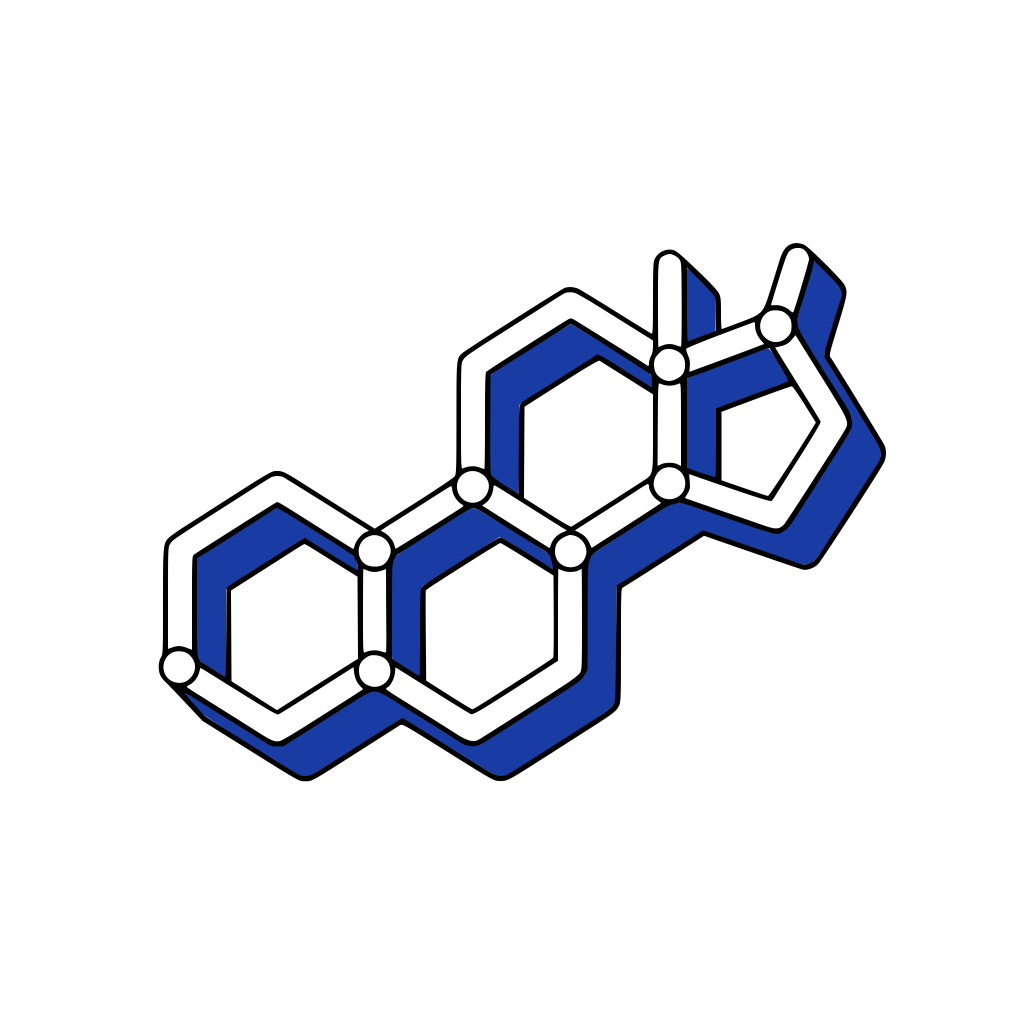
Hormonal fluctuations
During the luteal phase, estrogen and progesterone levels rise and then drop sharply if pregnancy doesn't occur. Your brain's sensitivity to these hormonal changes varies from person to person, which explains why PMS affects people differently.
Serotonin changes
Serotonin — a neurotransmitter that regulates mood, sleep, and appetite — fluctuates alongside your hormones. Lower serotonin levels during the luteal phase can contribute to mood-related symptoms, fatigue, and food cravings.
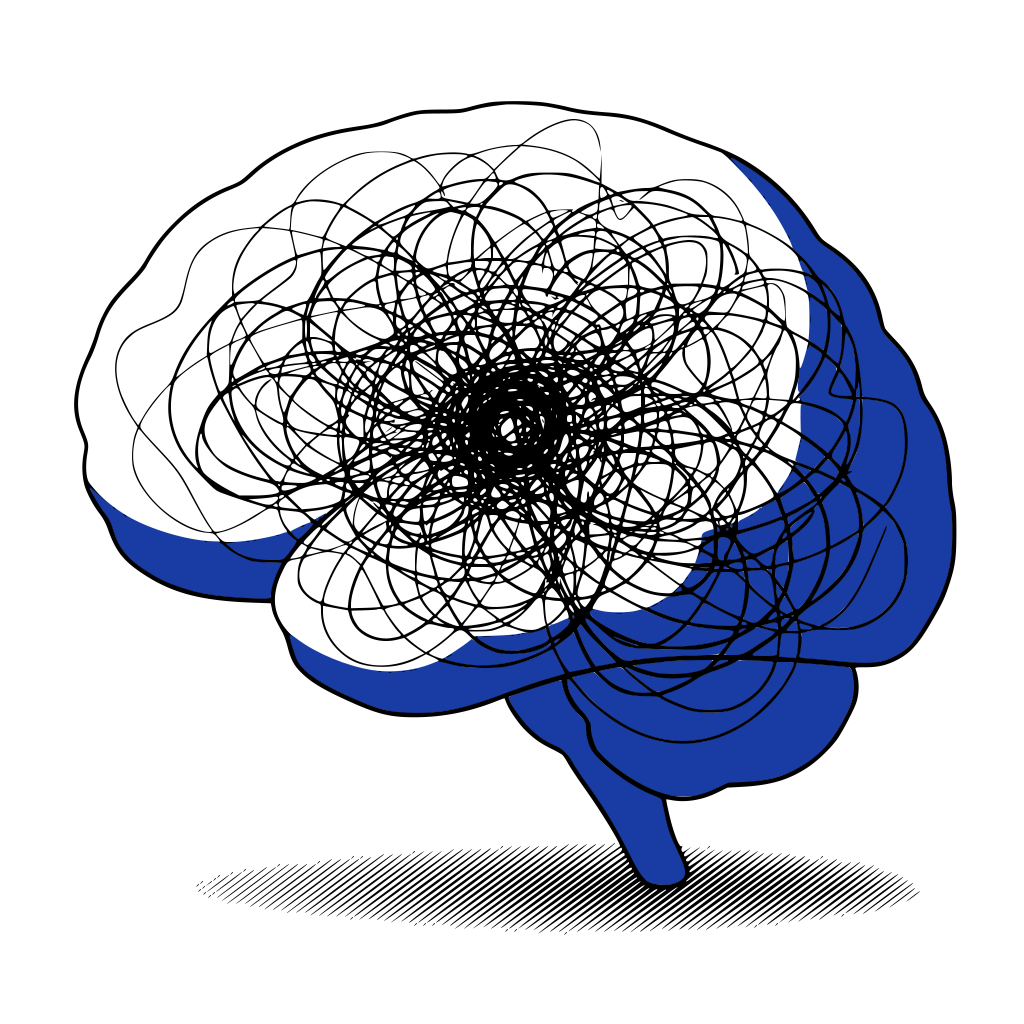
Individual brain sensitivity
Each person's brain responds differently to normal hormonal shifts. Some brains are more sensitive to the rise and fall of estrogen and progesterone, leading to more pronounced emotional and physical symptoms.
Lifestyle and environmental factors
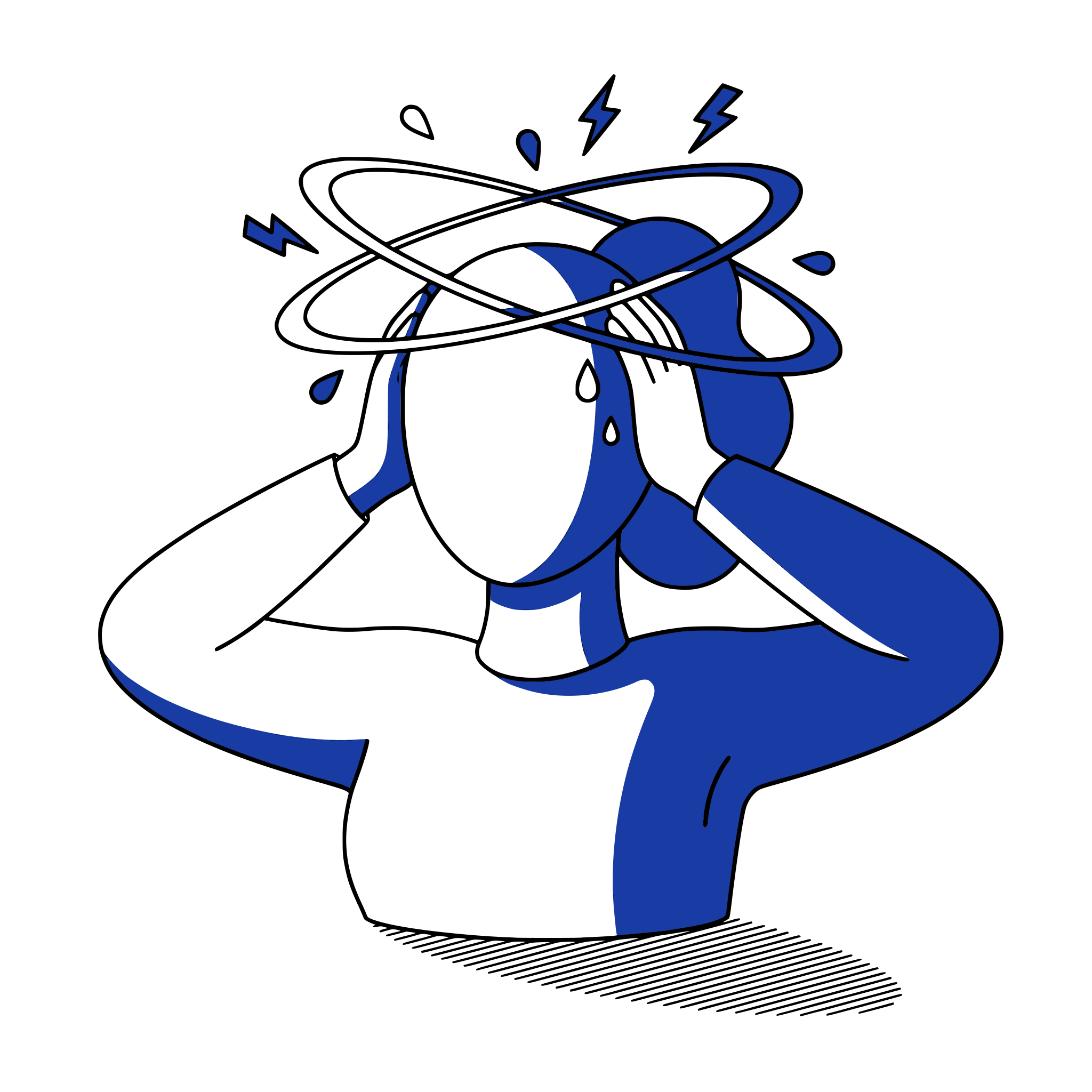
Stress, inadequate sleep, nutritional deficiencies (particularly calcium, magnesium, and B vitamins), caffeine, alcohol, and lack of physical activity can all amplify PMS symptoms.
Common symptoms of Premenstrual Syndrome
Mental & emotional
Mood swings
Emotional sensitivity and rapid shifts between feelings, often feeling disproportionate to the situation
Irritability or tension
Feeling on edge, easily frustrated, or short-tempered in the days before your period
Anxiety
Heightened worry or nervousness that emerges during the luteal phase
Brain fog
Difficulty concentrating, forgetfulness, and trouble thinking clearly
Changes in appetite
Increased cravings, particularly for sugar, carbohydrates, or comfort foods
Physical
Bloating
Water retention and abdominal swelling that can feel uncomfortable and affect how clothes fit
Breast tenderness
Soreness, swelling, or sensitivity in the breasts during the luteal phase
Fatigue
Persistent tiredness and low energy, even with adequate sleep
Headaches
Tension headaches or migraines triggered by hormonal fluctuations
Muscle or joint pain
Generalized aches and pains, often in the lower back and limbs
Treatment options
PMS management works best when you combine lifestyle strategies with targeted treatments. Start with the basics, then explore additional options with your healthcare provider if needed.
Over-the-counter pain relief
NSAIDs like ibuprofen can help with headaches, cramps, and breast tenderness. Take at the onset of symptoms for best results.
Hormonal birth control
Birth control pills, patches, or rings can stabilize hormonal fluctuations and reduce the severity of both physical and emotional symptoms.
Prescription medications
For mood-related symptoms, your doctor may recommend SSRIs or other medications, sometimes taken only during the luteal phase.
Non-invasive neurostimulation
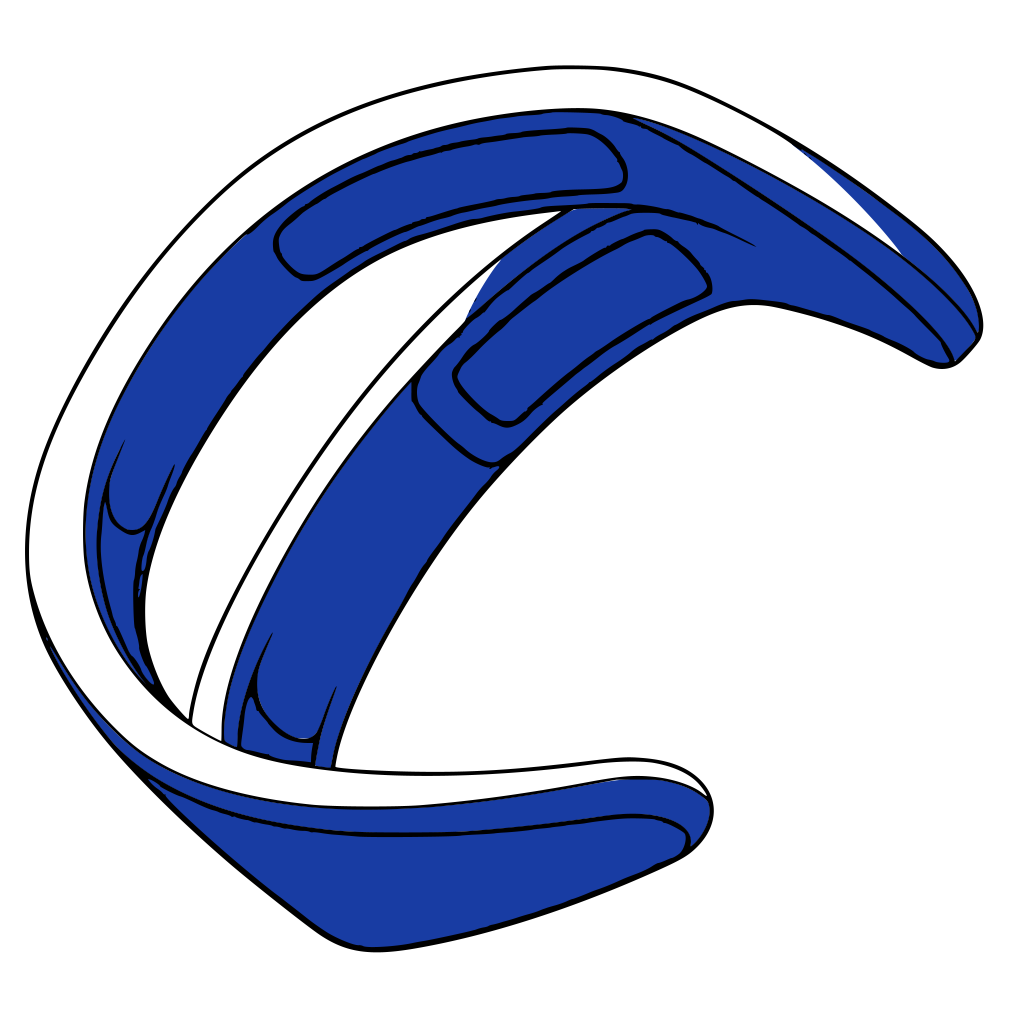
Brain-based approaches that help regulate the nervous system's response to hormonal changes, addressing both mood and physical symptoms.
Exercise and movement
Regular physical activity reduces pain, improves mood through endorphin release, and can lessen the severity of PMS symptoms over time.
Stress management and CBT
Cognitive behavioral therapy, meditation, and breathwork help regulate the nervous system and reduce the emotional impact of hormonal changes.
Do’s and don’ts
Do
Track your cycle and symptoms
Use the Samphire App to identify patterns — knowing when symptoms peak helps you prepare
Prioritize sleep
Consistent sleep schedules are especially important during your luteal phase
Move regularly
Exercise reduces pain, improves mood, and helps with bloating and fatigue
Eat balanced meals
Focus on protein, healthy fats, complex carbohydrates, and reduce caffeine and alcohol
Manage stress
Meditation, breathwork, and calming activities help regulate your nervous system
Consider brain-based tools
Devices like Nettle (UK/EU) or Lutea (US/Canada) use neurostimulation to support mood regulation across your cycle
Stay hydrated
Water helps reduce bloating and supports overall function during your luteal phase
Don’t
Dismiss your symptoms
Symptoms that disrupt your daily functioning deserve attention and treatment
Assume it's always the same
Symptoms can fluctuate across your lifespan due to stress, lifestyle, age, and hormonal changes
Confuse PMS with PMDD
If symptoms are debilitating or include suicidal thoughts, contact your healthcare provider immediately — this may be PMDD
Ignore patterns
Track for at least 2-3 cycles before your healthcare appointment to distinguish PMS from other conditions
Rely on willpower alone
PMS has biological causes — evidence-based strategies and treatments are more effective than trying to push through
Common questions about Premenstrual Syndrome
Our blog


