Perspective
Dysmenorrhea
Painful menstrual cramps that can disrupt daily activities
Dysmenorrhea refers to painful cramping that occurs before or during menstruation. For some, it's a mild inconvenience. For others, the pain is severe, radiating through the lower abdomen, back, and thighs, sometimes accompanied by nausea, fatigue, headaches, or even fainting. What's increasingly understood is that dysmenorrhea isn't purely physical — it's neurological. Chronic menstrual pain can sensitize your nervous system, meaning your brain amplifies pain signals even after the initial cause improves.

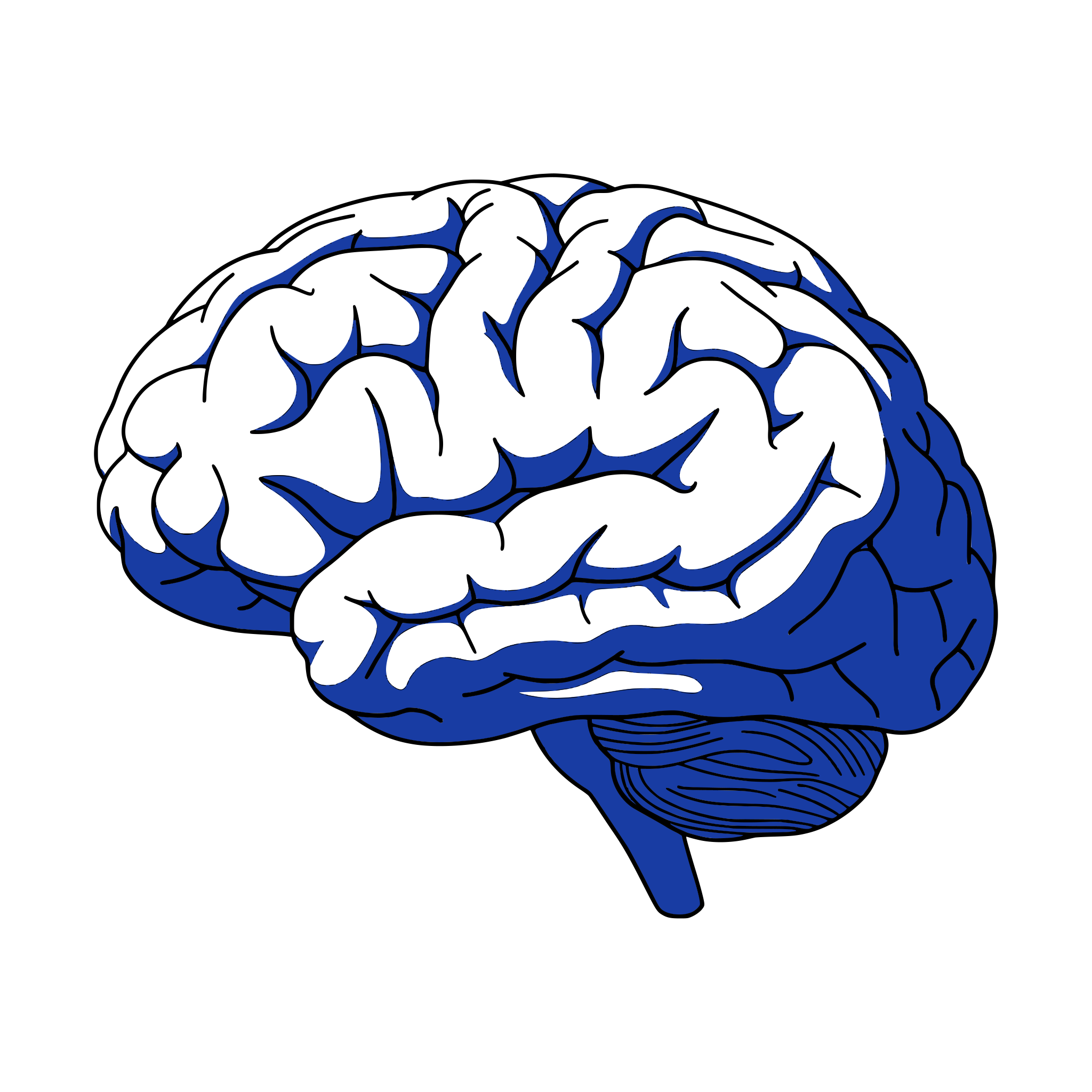
Pain pathway sensitization
Chronic menstrual pain can sensitize your nervous system, meaning your brain amplifies pain signals. Central sensitization means pain pathways remain active even when the initial cause improves, which is why brain-based approaches that address pain processing are becoming essential components of treatment.

Extremely common
Up to 80% of women experience dysmenorrhea at some point, yet it's often dismissed as something you should just endure. Severe or recurring pain can signal underlying issues like endometriosis or fibroids, but many go without evaluation or support.

Range of treatment options
Treatments include anti-inflammatory medications, hormonal contraceptives, heat therapy, and exercise. When standard options fall short, newer approaches like nervous system regulation and brain-based pain care can offer relief by addressing how pain is processed and amplified.
What causes Dysmenorrhea?
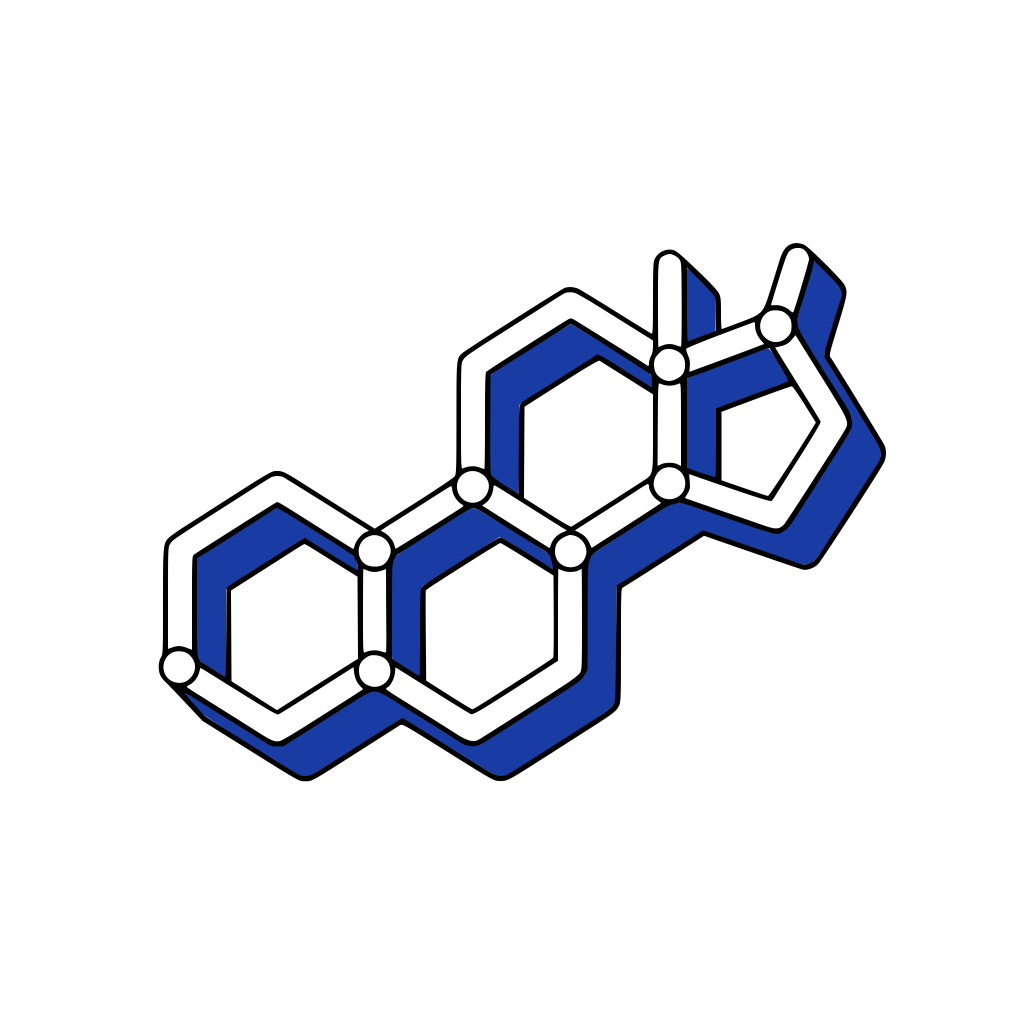
Prostaglandin production
During menstruation, the uterine lining releases prostaglandins that trigger muscle contractions to expel tissue. Higher prostaglandin levels cause stronger, more painful contractions and may reduce blood flow to the uterus, intensifying pain.
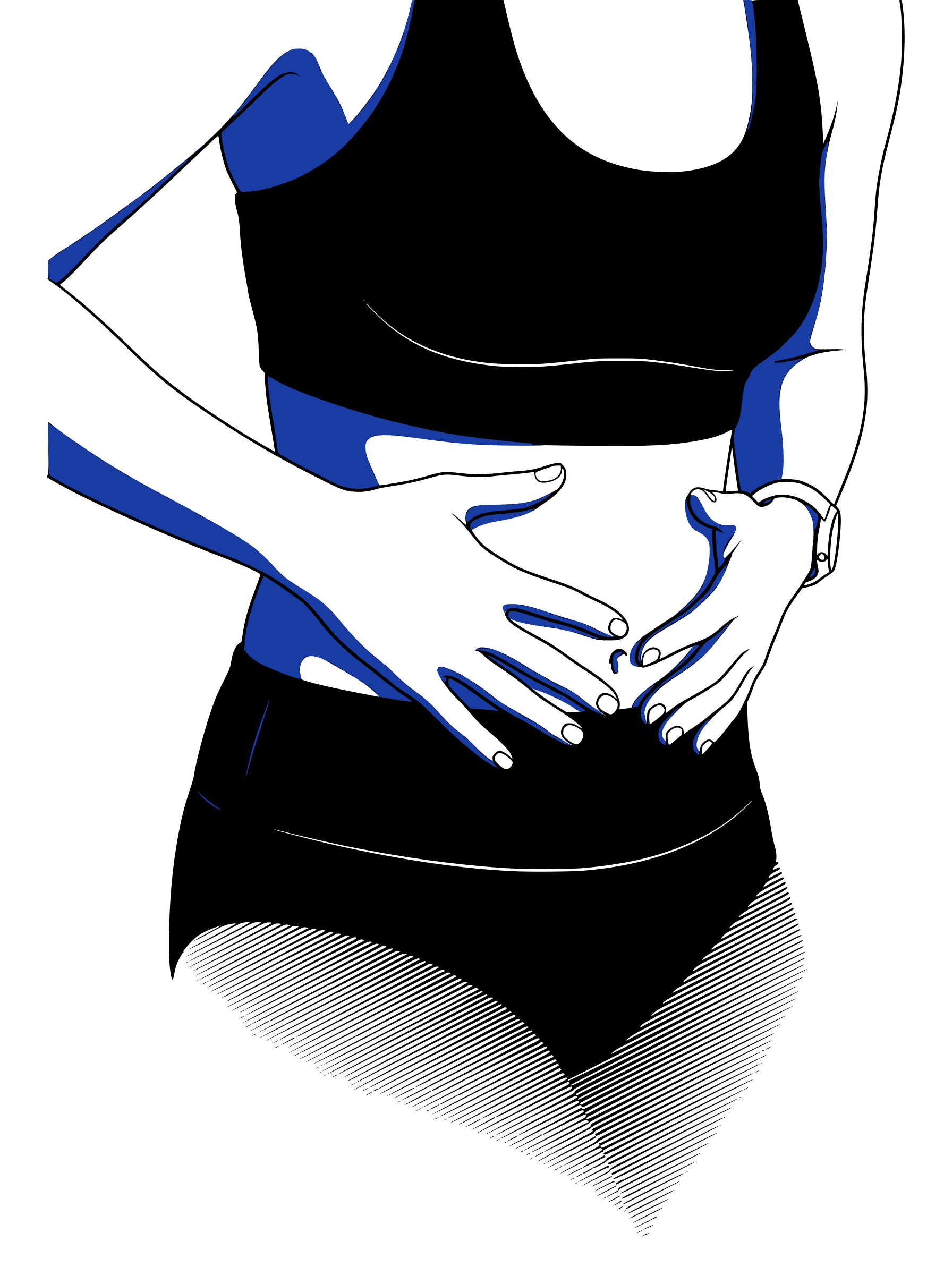
Uterine muscle sensitivity
Some people have uteruses that contract more intensely or are more sensitive to prostaglandins, leading to greater pain even at normal prostaglandin levels.

Endometriosis
Tissue similar to the uterine lining grows outside the uterus, causing inflammation and severe pain. Endometriosis is a common cause of secondary dysmenorrhea.

Fibroids or adenomyosis
Noncancerous growths in the uterus (fibroids) or endometrial tissue growing into the uterine muscle wall (adenomyosis) can cause heavy bleeding and intensified cramping.
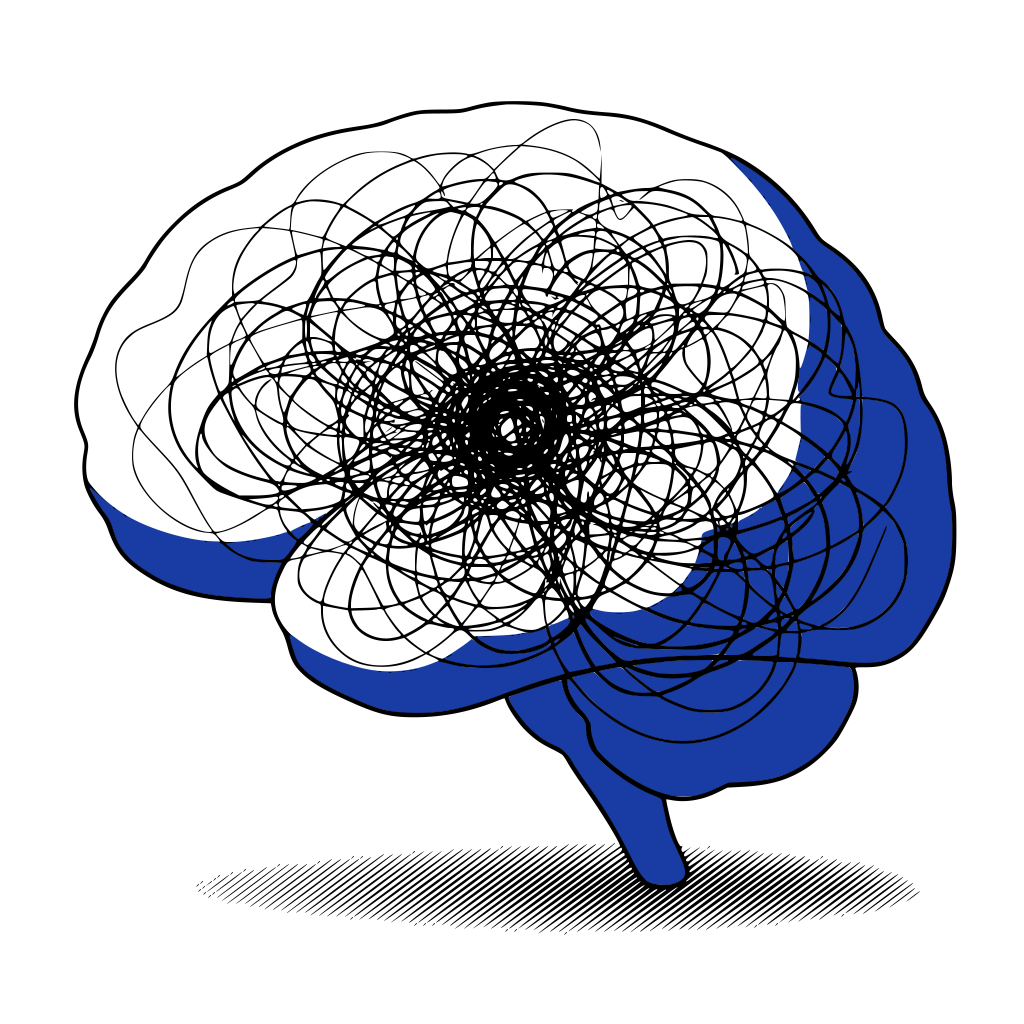
Brain pain processing changes
Research shows that chronic menstrual pain affects how your brain processes pain signals, leading to central sensitization — where your nervous system becomes hypersensitive, amplifying pain even after the initial trigger resolves.
Common symptoms of Dysmenorrhea
Mental & emotional
Anxiety about upcoming periods
Dreading menstruation due to anticipated pain and disruption to daily life
Frustration or irritability
From dealing with recurring, disruptive pain that is often dismissed by others
Depression
Particularly when pain interferes with quality of life, month after month
Social withdrawal
Canceling plans or avoiding activities during menstruation
Difficulty concentrating
Pain makes it hard to focus on work, school, or conversations
Feelings of helplessness
Especially when pain is dismissed as 'normal' by others or healthcare providers
Physical
Cramping pain
Throbbing or aching pain in the lower abdomen, often described as waves of intense cramping
Radiating pain
Discomfort that spreads to the lower back, hips, and inner thighs
Nausea or vomiting
Digestive upset triggered by prostaglandins affecting the gastrointestinal tract
Diarrhea or constipation
Changes in bowel movements during menstruation
Headaches or migraines
Often triggered by hormonal fluctuations and pain
Dizziness or fainting
In severe cases, particularly with heavy bleeding
Fatigue
Exhaustion from dealing with pain and blood loss
Bloating
Fluid retention and abdominal swelling during menstruation
Treatment options
Effective management typically combines multiple approaches. From traditional pain relief to brain-based therapies that address how your nervous system processes and amplifies menstrual pain.
Over-the-counter NSAIDs
Ibuprofen and naproxen reduce prostaglandin production and inflammation. Start at the first sign of pain or bleeding for best results.
Prescription pain medications
For severe cases where over-the-counter options aren't sufficient, stronger prescription medications may be recommended.
Birth control pills, patches, or rings
Hormonal contraceptives thin the uterine lining and reduce prostaglandin production, leading to lighter, less painful periods.
Hormonal IUDs
Decrease menstrual flow and cramping. Some people find their periods stop entirely, eliminating menstrual pain.

Surgery for underlying conditions
When secondary dysmenorrhea is caused by endometriosis, fibroids, or adenomyosis, surgical treatment of the underlying condition may provide relief.

Non-invasive neurostimulation
Brain-based approaches that modify pain processing pathways, addressing menstrual pain at its neurological source.

Pelvic floor physical therapy
Specialized therapy to reduce muscular tension and improve pelvic function, particularly helpful for chronic pelvic pain.

Cognitive behavioral therapy
Psychological support for pain management, addressing the emotional impact of chronic menstrual pain and building coping strategies.
Do’s and don’ts
Do
Track your symptoms
Use the Samphire App to document pain severity, timing, and patterns across your cycles
Apply heat
Heating pads, hot water bottles, or warm baths relax uterine muscles and reduce cramping
Exercise regularly
Physical activity releases endorphins and can reduce pain severity over time
Try gentle yoga or stretching
Specific poses can relieve pelvic tension and reduce cramping
Eat anti-inflammatory foods
Focus on fruits, vegetables, omega-3 fatty acids, and whole grains
Consider brain-based tools
Devices like Nettle (UK/EU) or Lutea (US/Canada) use neurostimulation to address pain at its neurological source
Start pain relief early
Don't wait until pain is severe — take medication at the first sign of symptoms
Don’t
Accept severe pain as 'normal'
Pain that interferes with daily life deserves medical attention
Ignore worsening symptoms
Progressive pain may indicate secondary dysmenorrhea from an underlying condition
Rely solely on pain medication long-term
Address underlying causes and pain pathways for sustainable relief
Skip medical appointments
Regular follow-ups ensure your treatment plan remains effective
Suffer in silence
Advocate for yourself if healthcare providers dismiss your concerns
Common questions about Dysmenorrhea
Our blog


