Perspective
Endometriosis
Highly prevalent chronic inflammation
Endometriosis is a chronic inflammatory condition where tissue similar to the uterine lining grows outside the uterus - usually in the pelvis, but sometimes beyond. These growths can cause pain, fatigue, and fertility challenges. It is now understood endometriosis affects not only the body, but also how the brain processes pain.

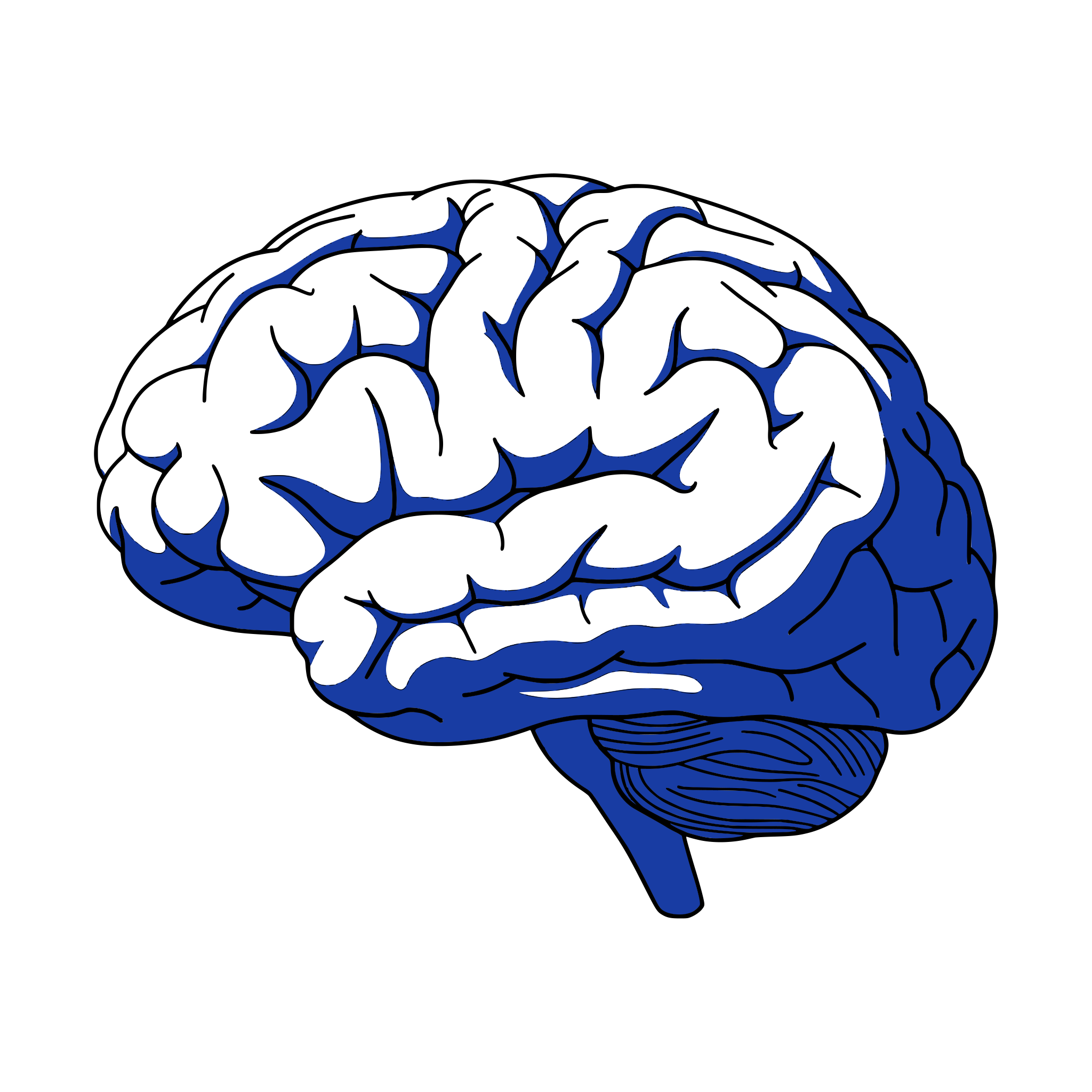
Pain pathway sensitization
What makes endometriosis particularly challenging is that it is not just a reproductive condition; it affects pain processing in your brain. Even after physical lesions are treated, pain pathways may remain sensitized, requiring approaches that address both the body and nervous system.

Highly Prevalent
Endometriosis affects approximately 1 in 10 women, yet many experience years of pain before receiving a proper diagnosis. Symptoms often begin in adolescence but are frequently dismissed or misunderstood, leading to an average delay of 7-10 years before diagnosis.

Range of treatment options
Diagnosis often involves pelvic exams, imaging, or laparoscopic surgery - though non-invasive methods are improving. Treatment options include hormonal therapies, pain management, and surgery. More recently, brain-based approaches that target the nervous system's role in chronic pain are also being used.
What causes Endometriosis?

Retrograde menstruation
During your period, some menstrual blood flows backward through the fallopian tubes into the pelvic cavity. This blood contains endometrial cells that may attach to pelvic organs and grow.

Immune system dysfunction
Your immune system may fail to recognize and destroy endometrial-like tissue growing outside the uterus.
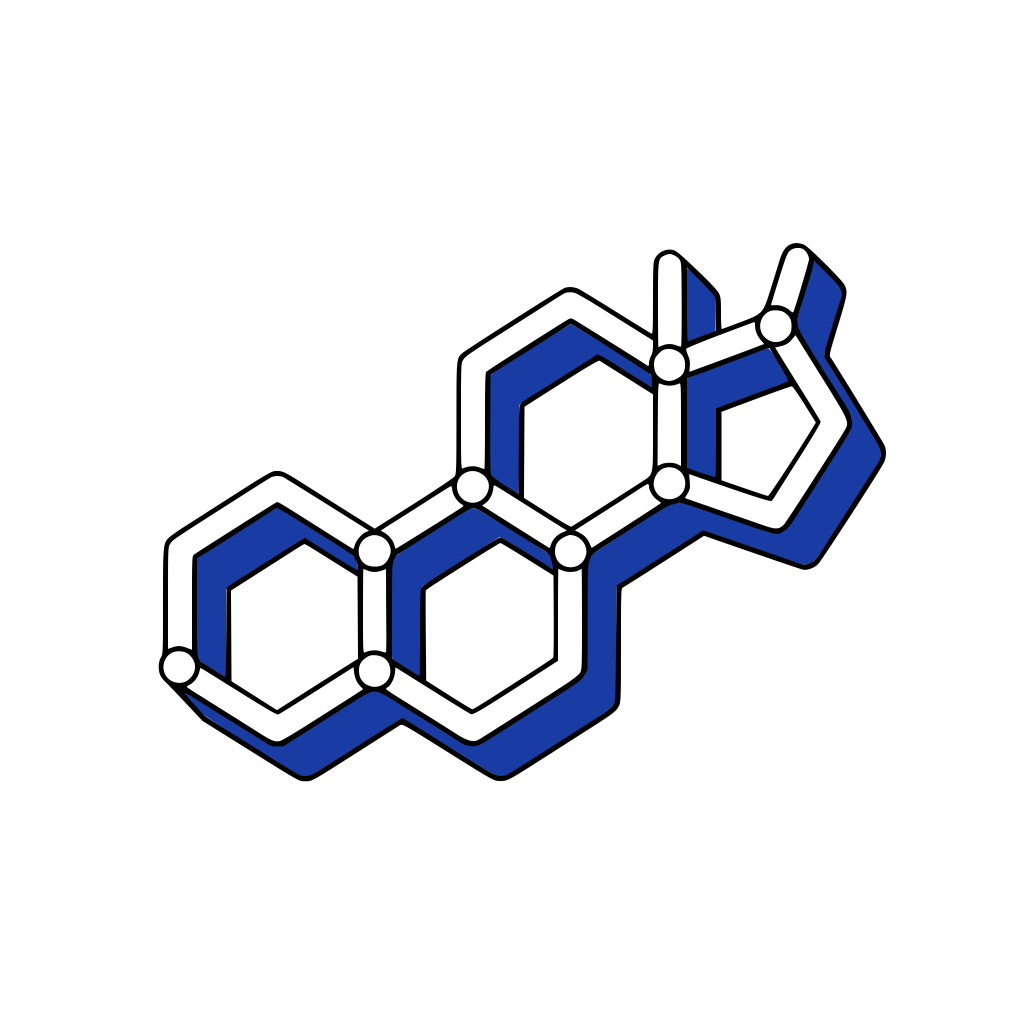
Hormonal factors
Estrogen appears to promote the growth of endometriosis, while progesterone sensitivity also plays a role.
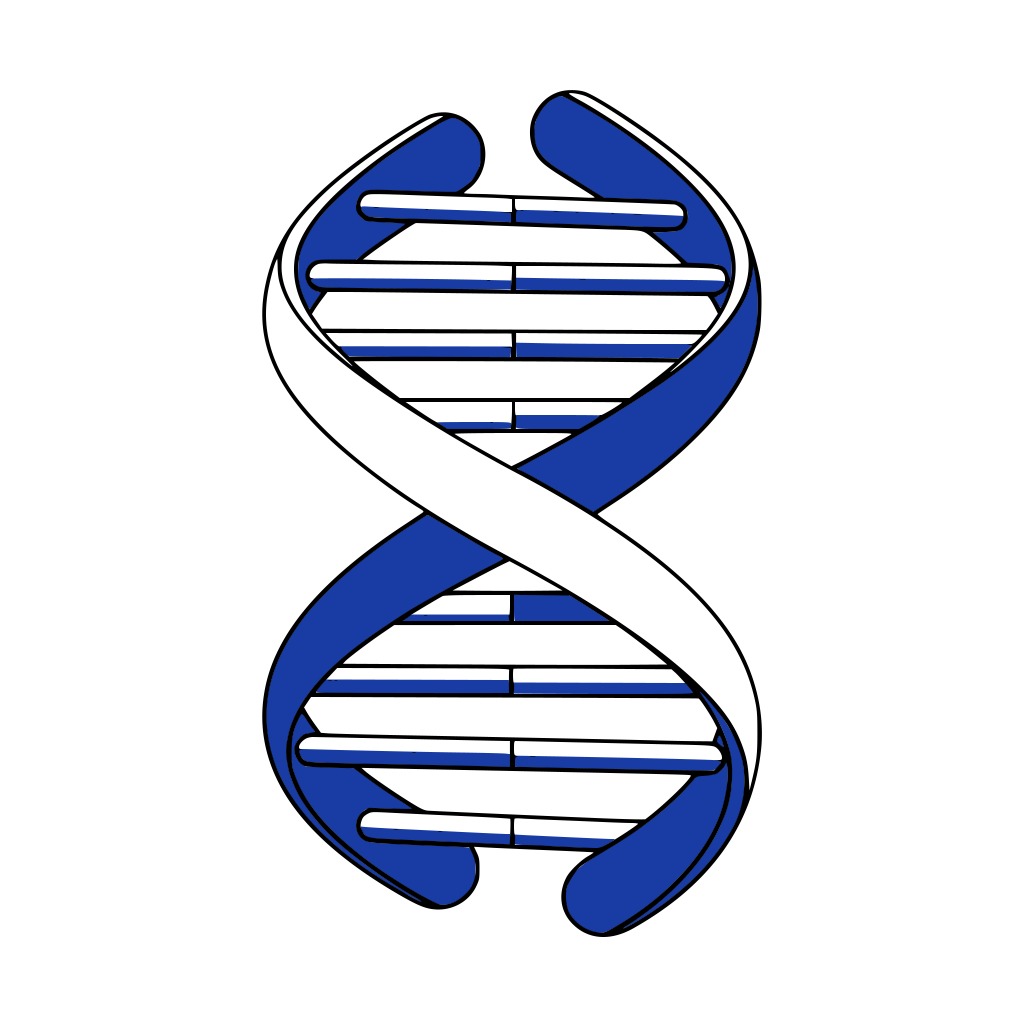
Genetic predisposition
Endometriosis tends to run in families. If your mother or sister has endometriosis, your risk is approximately 7-10 times higher.
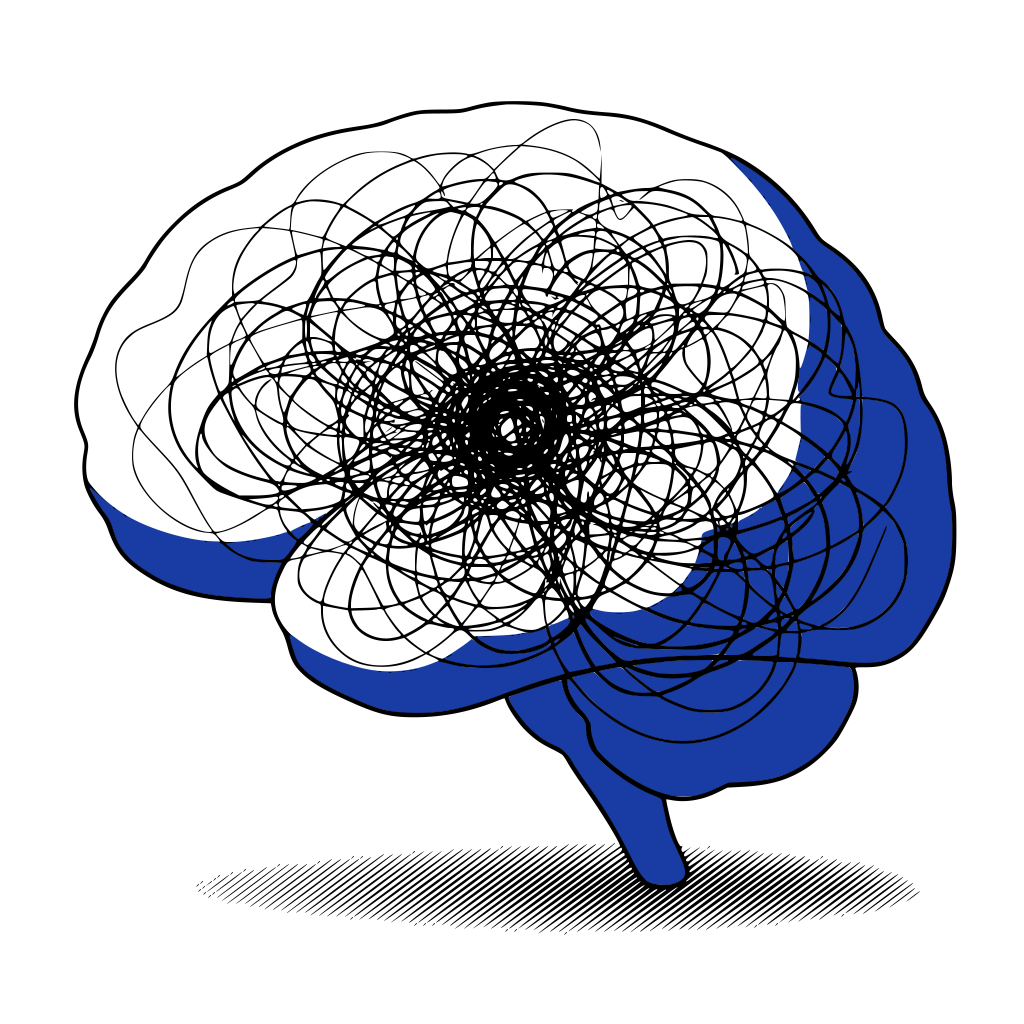
Brain pain processing changes
Research shows that endometriosis affects how your brain processes pain signals, leading to central sensitization, where your nervous system becomes hypersensitive to pain.
Common symptoms of Endometriosis
Mental & emotional
Anxiety
Anxiety about pain flare-ups, fertility concerns, or dismissal by healthcare providers
Depression
Depression related to chronic pain and lifestyle limitations
Social withdrawal
Social withdrawal from activities, work, or social events due to unpredictable symptoms
Frustration
Frustration and isolation from feeling misunderstood
Physical
Pelvic pain
Chronic pain in your lower abdomen and pelvis, often worse during menstruation
Painful periods (dysmenorrhea)
Severe cramping that may begin before your period and extend several days into it
Pain during intercourse
Deep pain during or after sex
Pain with bowel movements or urination
Particularly during menstruation
Heavy menstrual bleeding
Excessively heavy periods or bleeding between periods
Fatigue
Persistent tiredness that doesn’t improve with rest
Digestive issues
Bloating, nausea, diarrhea, or constipation, especially during menstruation
Infertility
Difficulty conceiving (endometriosis is found in 30-50% of women experiencing fertility challenges)
Brain fog
Difficulty concentrating, memory loss, and difficulty thinking clearly
Treatment options
While this remains a not well understood area, promising options are emerging. From traditional approaches to innovative brain-based therapies that target the nervous system's role in chronic pain.
Over-the-counter NSAIDs
Medications like ibuprofen help reduce inflammation and provide pain relief for mild to moderate symptoms.
Prescription pain medications
For more severe symptoms, stronger prescription medications may be recommended by your healthcare provider.
Birth control pills, patches, or rings
Hormonal contraceptives help regulate hormones and reduce endometrial tissue growth.
Progestin-only treatments
These therapies suppress endometrial growth and can help manage symptoms.

GnRH agonists
Create a temporary menopause-like state to reduce endometriosis symptoms.
Laparoscopic surgery
Minimally invasive surgery to remove endometrial tissue and adhesions.

Hysterectomy
In severe cases, removal of the uterus may be considered, though this doesn't guarantee symptom relief.

Non-invasive neurostimulation
Brain-based approaches that address pain processing at its neurological source.

Pelvic floor physical therapy
Specialized therapy to reduce muscular tension and improve pelvic function.
Cognitive behavioral therapy
Psychological support for pain management and mental health, addressing the emotional impact of chronic pain.
Do’s and don’ts
Do
Track your symptoms
Use the Samphire App to log pain patterns and identify triggers
Prioritize anti-inflammatory foods
Focus on fruits, vegetables, omega-3 fatty acids, and whole grains
Move regularly
Gentle exercise like walking, swimming, or yoga can reduce inflammation
Apply heat
Heating pads or warm baths can ease cramping and pelvic pain
Manage stress
Meditation and breathwork help regulate your nervous system
Consider brain-based tools
Devices like Nettle (UK/EU) or Lutea (US/Canada) use neurostimulation to support emotional regulation and reduce pain perception
Advocate for yourself
Seek second opinions if symptoms are dismissed
Don’t
Ignore worsening symptoms
Early intervention improves outcomes
Assume pain is “normal”
Severe period pain that interferes with daily life deserves medical attention
Skip follow-up appointments
Regular monitoring helps adjust treatment
Rely solely on pain medication
Address root causes and pain processing pathways for sustainable relief
Isolate yourself
Connect with support groups who understand your experience
Common questions about Endometriosis
Our blog


