Perspective
Neurodiversity
Understanding how neurodivergence intersects with the cycle
ADHD (Attention Deficit Hyperactivity Disorder) is a neurodevelopmental condition that affects how the brain regulates attention, impulse control, and executive function. For women, hormonal fluctuations across the menstrual cycle can significantly amplify ADHD symptoms, making some weeks feel manageable and others overwhelming.

Hormones affect focus
Estrogen influences dopamine — the neurotransmitter central to ADHD. When estrogen drops before your period, many women with ADHD notice worsening symptoms: difficulty concentrating, increased impulsivity, and emotional dysregulation. This cyclical pattern is why ADHD feels manageable some weeks and overwhelming in others.
Often undiagnosed in women
ADHD affects 5-10% of people, yet many women go undiagnosed for years. Symptoms may present differently — more inattentive than hyperactive — and hormonal fluctuations can mask or exacerbate symptoms, making diagnosis more complex.
Cycle-aware strategies
Understanding how your cycle affects your ADHD can help you plan demanding tasks for high-estrogen days and build in extra support during your luteal phase. Brain-based tools can also help regulate focus and mood across your cycle.
What causes Neurodiversity?

Genetic factors
ADHD is highly heritable. If a parent has ADHD, there's a 40-60% chance their child will also have it. Multiple genes are involved, affecting neurotransmitter systems.
Brain structure differences
Neuroimaging studies show that people with ADHD have differences in brain regions responsible for attention, impulse control, and executive function, particularly the prefrontal cortex.
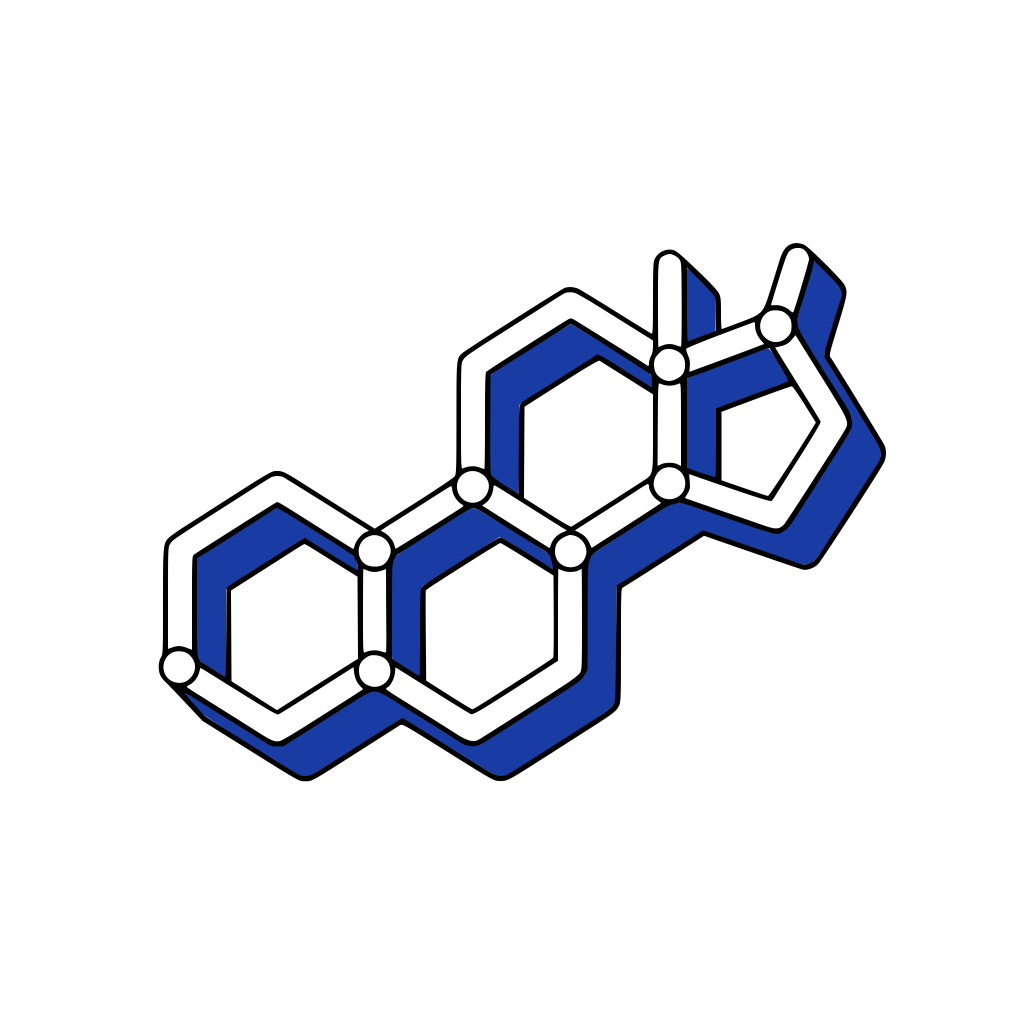
Neurotransmitter dysregulation
ADHD involves dysregulation of dopamine and norepinephrine, which affect motivation, attention, and reward processing. This is why stimulant medications that increase these neurotransmitters can be effective.
Hormonal influences
For women, estrogen plays a crucial role in dopamine regulation. When estrogen drops during certain phases of your menstrual cycle, ADHD symptoms often worsen. This is why many women report that their ADHD feels more manageable during the follicular phase and more challenging during the luteal phase.
Common symptoms of Neurodiversity
Mental & emotional
Difficulty sustaining attention
Struggling to focus on tasks, conversations, or reading, especially during low-estrogen phases of your cycle
Forgetfulness
Missing appointments, losing items, or forgetting important details
Impulsivity
Making quick decisions without considering consequences, interrupting others
Emotional dysregulation
Intense mood swings, difficulty managing frustration or disappointment
Restlessness
Feeling fidgety, unable to sit still, or constantly needing to move
Time blindness
Difficulty estimating how long tasks will take or managing time effectively
Hyperfocus
Getting so absorbed in interesting tasks that everything else is forgotten
Rejection sensitivity
Intense emotional reactions to perceived criticism or rejection
Procrastination
Delaying tasks, especially those that feel overwhelming or boring
Physical
Sleep disturbances
Difficulty falling asleep, irregular sleep patterns, or feeling unrested
Chronic fatigue
Especially during the luteal phase when progesterone rises and estrogen drops
Brain fog
Difficulty thinking clearly, particularly severe in the days before your period
Headaches or tension
From mental effort, stress, and hormonal fluctuations
Treatment options
ADHD management works best with a combination of approaches. From medication to behavioral strategies and brain-based tools, there are many options to explore.
Stimulant medications
Methylphenidate and amphetamines increase dopamine and norepinephrine. Dosage may need adjusting across your cycle for optimal symptom management.
Non-stimulant medications
Atomoxetine and guanfacine for those who don't respond well to stimulants or experience problematic side effects.
Cognitive behavioral therapy
CBT helps develop coping mechanisms for organization, time management, and emotional regulation specific to ADHD.
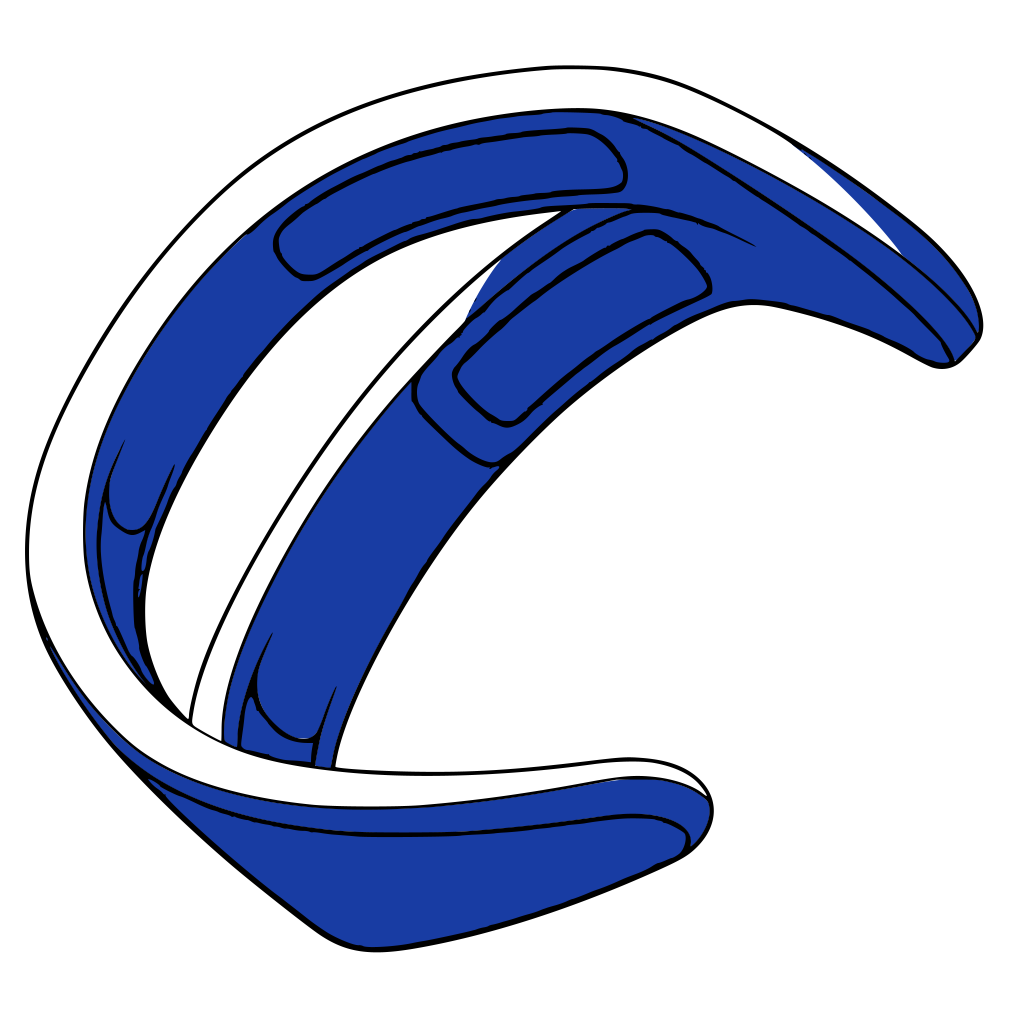
Non-invasive neurostimulation
Brain-based approaches that support focus and emotional regulation, particularly during challenging cycle phases.
Mindfulness practices
Meditation and mindfulness training to improve emotional regulation and reduce impulsivity.
ADHD coaching
Practical organization and time management skills tailored to how the ADHD brain works.
Environmental modifications
Structured routines, external reminders, and ADHD-friendly environments to reduce distractions and support executive function.
Do’s and don’ts
Do
Track your cycle and symptoms
Use the Samphire App to identify when ADHD symptoms peak and plan accordingly
Establish consistent routines
Structure helps compensate for executive function challenges
Break tasks into smaller steps
Large projects become manageable when divided into discrete actions
Use external reminders
Timers, alarms, visual cues, and written lists support working memory
Prioritize sleep
Consistent sleep schedules improve attention and emotional regulation
Move regularly
Physical activity boosts dopamine and helps manage restlessness
Consider brain-based tools
Devices like Nettle (UK/EU) or Lutea (US/Canada) use neurostimulation to support focus and emotional regulation
Create ADHD-friendly environments
Minimize distractions, use noise-canceling headphones, and organize spaces visually
Don’t
Expect perfection
ADHD brains work differently — focus on progress, not perfection
Compare yourself to neurotypical standards
Your productivity patterns may look different, and that's okay
Ignore cyclical patterns
Understanding how your cycle affects symptoms allows better planning
Rely solely on willpower
ADHD requires external supports and strategies, not just effort
Dismiss your challenges
If symptoms interfere with daily life, seek professional support
Common questions about Neurodiversity
Our blog


