Perspective
Perimenopause
The hormonal transition that can last years before menopause
Perimenopause is the transitional phase leading up to menopause, typically beginning in your mid-to-late 40s but sometimes starting in your late 30s. During this time, estrogen and progesterone levels fluctuate unpredictably — sometimes surging, sometimes dropping — before eventually declining. These hormonal shifts can trigger a wide range of physical and emotional symptoms that many people don't recognize as perimenopause, leading to years of unexplained changes. Because the brain has estrogen receptors throughout, these fluctuations affect mood, cognition, sleep, and pain processing at a neurological level.

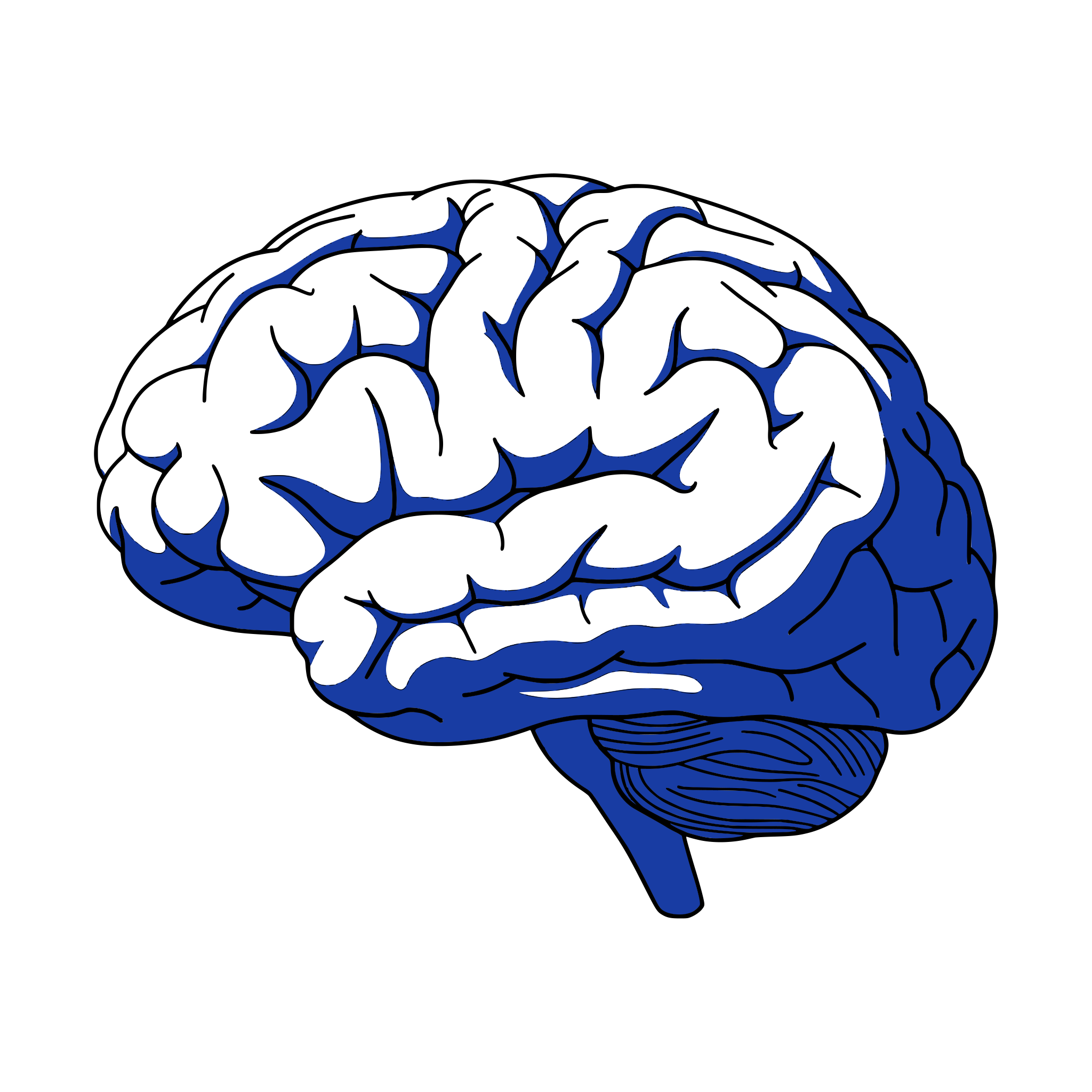
Your brain is adapting
Estrogen plays a key role in regulating serotonin, dopamine, and other neurotransmitters. As estrogen levels become erratic during perimenopause, your brain's neurochemistry shifts — which is why mood changes, brain fog, and sleep disruption are among the most common early symptoms.

It can start earlier than you think
Perimenopause can begin 4 to 10 years before your final period. Many people start noticing changes in their early 40s, sometimes even late 30s. Symptoms are often misattributed to stress, aging, or mental health conditions — leading to delayed recognition and support.

Symptoms are treatable
From hormone therapy to lifestyle changes to brain-based approaches, there are effective ways to manage perimenopausal symptoms. Understanding that these changes have a hormonal and neurological basis is the first step toward getting the right support.
What causes Perimenopause?

Declining and erratic estrogen
Unlike the gradual decline many expect, estrogen levels during perimenopause fluctuate unpredictably — sometimes spiking higher than normal before dropping. These erratic shifts destabilize systems throughout the body and brain that depend on estrogen for regulation.
Progesterone decline
Progesterone typically drops earlier and more steadily than estrogen during perimenopause. Since progesterone has calming, sleep-promoting effects on the brain, its decline can contribute to anxiety, insomnia, and increased stress sensitivity.
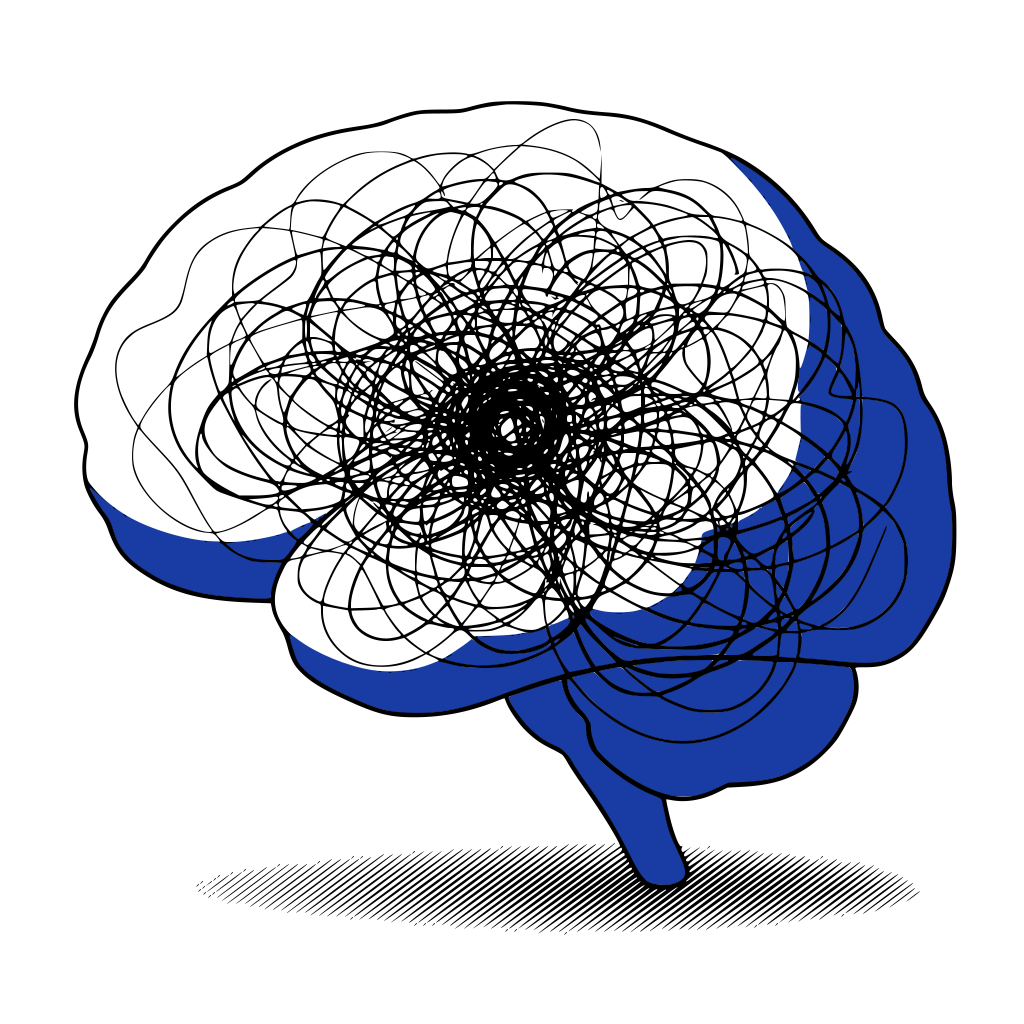
Neurotransmitter disruption
Estrogen modulates serotonin, dopamine, norepinephrine, and GABA — neurotransmitters that regulate mood, motivation, focus, and calm. As estrogen fluctuates, so does the brain's ability to maintain stable levels of these chemicals.

Genetic and individual factors
The timing and severity of perimenopause are influenced by genetics, overall health, stress levels, and reproductive history. Your mother's experience may give some indication of when your transition could begin.
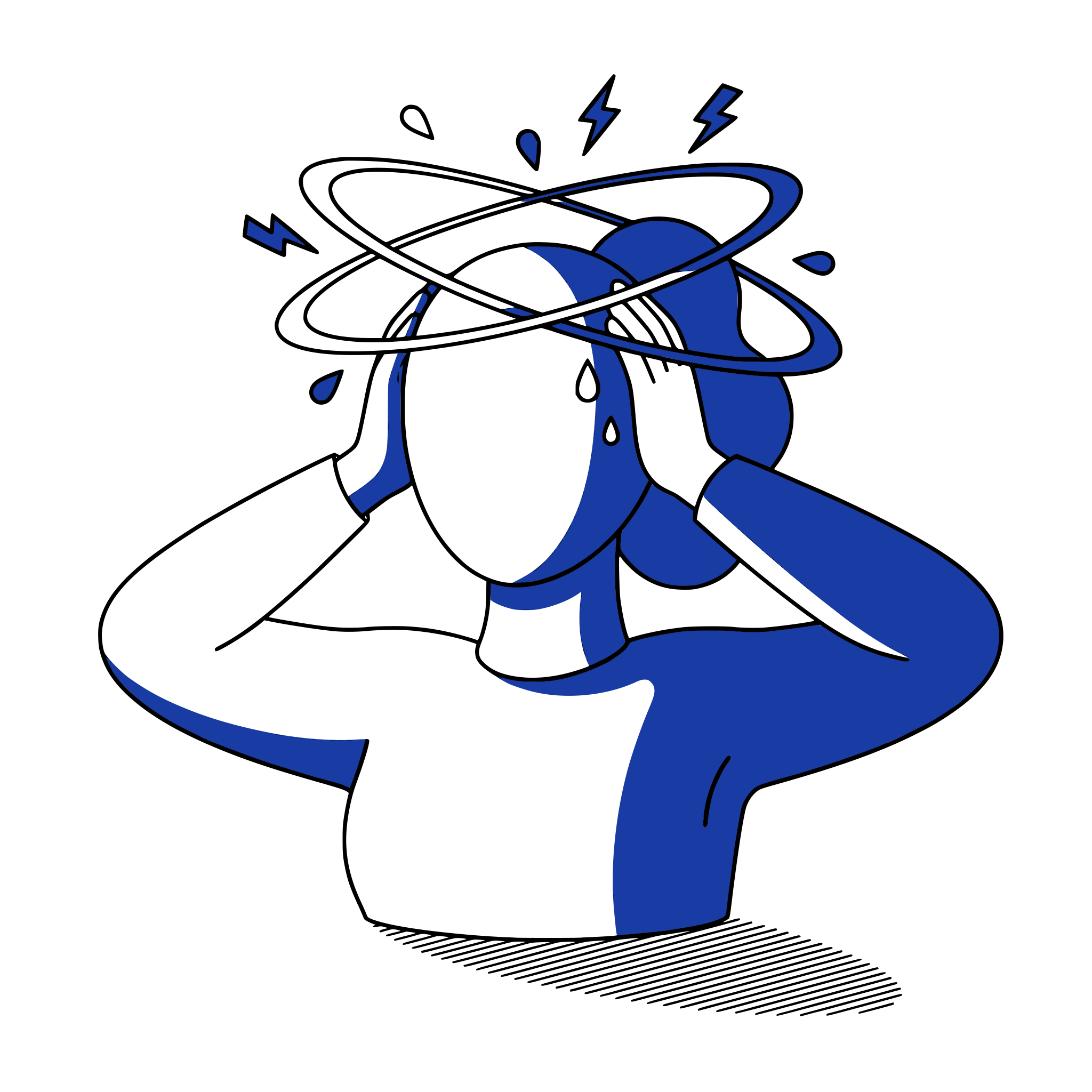
Compounding life stressors
Perimenopause often coincides with significant life demands — caregiving, career pressures, relationship changes. Chronic stress amplifies hormonal symptoms by further dysregulating cortisol and the nervous system.
Common symptoms of Perimenopause
Mental & emotional
Mood swings
Unpredictable emotional shifts, including sudden irritability, tearfulness, or feeling unlike yourself
Anxiety
New or worsening anxiety, sometimes including panic-like episodes, particularly in people with no prior anxiety history
Brain fog
Difficulty with concentration, word-finding, and short-term memory — often one of the earliest and most distressing symptoms
Irritability
Heightened frustration and a shorter fuse, often feeling disproportionate to the situation
Reduced libido
Changes in sexual desire and arousal linked to fluctuating estrogen and testosterone levels
Physical
Sleep disruption
Difficulty falling or staying asleep, night sweats, and waking unrefreshed — driven by progesterone decline and temperature dysregulation
Fatigue
Persistent exhaustion that goes beyond normal tiredness, even with adequate rest
Headaches and migraines
New or worsening headaches, particularly around menstruation, driven by estrogen fluctuations
Joint and muscle pain
Increased aches and stiffness, particularly in the morning, as declining estrogen affects inflammation pathways
Weight changes and bloating
Shifts in body composition, particularly around the abdomen, along with increased water retention
Hot flashes and night sweats
Sudden waves of heat, flushing, and sweating caused by the brain's thermoregulatory center responding to estrogen changes
Hair and skin changes
Thinning hair, drier skin, and changes in skin elasticity as estrogen's protective effects diminish
Treatment options
Perimenopause management is most effective when tailored to your specific symptoms and stage of transition. A combination of medical treatment, lifestyle strategies, and brain-based approaches can help you navigate this phase with greater ease.
Hormone replacement therapy (HRT)
Replaces declining estrogen and progesterone to stabilize mood, reduce hot flashes, protect bone density, and improve sleep. Discuss timing, type, and suitability with your healthcare provider.
Prescription medications
SSRIs, SNRIs, or gabapentin may be recommended for mood symptoms, anxiety, or hot flashes — particularly if HRT isn't suitable for you.

Non-invasive neurostimulation
Brain-based approaches that help regulate the nervous system's response to hormonal changes, supporting mood stability, sleep quality, and pain management.

Exercise and strength training
Regular physical activity — especially resistance training — helps maintain bone density, manage weight, improve mood, and support better sleep during perimenopause.
Cognitive behavioral therapy (CBT)
Evidence-based therapy that helps manage the emotional and psychological impact of perimenopause, including anxiety, low mood, and sleep difficulties.
Nutritional support
Targeted nutrition including calcium, vitamin D, magnesium, and omega-3 fatty acids can support bone health, mood, and overall wellbeing during the transition.
Do’s and don’ts
Do
Track your symptoms and cycle changes
Use the Samphire App to log symptom patterns — this data is invaluable for your healthcare provider and helps you recognize perimenopause early
Talk to your doctor early
Don't wait for symptoms to become severe — discuss your experiences with a knowledgeable healthcare provider who can guide treatment options
Prioritize sleep hygiene
Keep your bedroom cool, maintain consistent sleep and wake times, and address night sweats with breathable bedding
Stay physically active
Weight-bearing exercise and strength training are especially important during perimenopause for bone health, mood, and metabolic function
Build your support network
Connect with others going through perimenopause — shared experience reduces isolation and normalizes what you're going through
Consider brain-based tools
Devices like Nettle (UK/EU) or Lutea (US/Canada) use neurostimulation to support mood and symptom regulation across hormonal transitions
Manage stress proactively
Your nervous system is more reactive during perimenopause — invest in stress-reduction practices like meditation, breathwork, or yoga
Don’t
Assume it's 'just stress' or 'just aging'
Many perimenopausal symptoms are misattributed to stress, depression, or normal aging — if something feels different, investigate it
Wait for your periods to stop
Perimenopause can begin years before periods become irregular — you don't need to have missed periods to be in perimenopause
Accept poor sleep as inevitable
Sleep disruption during perimenopause is treatable — talk to your healthcare provider about options rather than enduring it
Ignore mood changes
New anxiety, rage, or low mood in your 40s may be hormonally driven — don't dismiss these as character flaws or purely psychological
Fear hormone therapy without learning the facts
Modern HRT is safe and effective for many people when started at the right time — discuss the current evidence with your provider
Common questions about Perimenopause
Our blog


