
Sleep and Rest
Sleep enables your brain to recalibrate and your hormones to rebalance. When rest is disrupted by stress, pain, or hormonal shifts, the effects cascade through your entire cycle. Progesterone has natural sedative properties — when it drops sharply before your period, this calming effect disappears. Estrogen helps regulate body temperature and influences REM sleep. And your sleep hormone melatonin interacts with reproductive hormones, meaning hormonal fluctuations can shift your natural sleep-wake cycle.
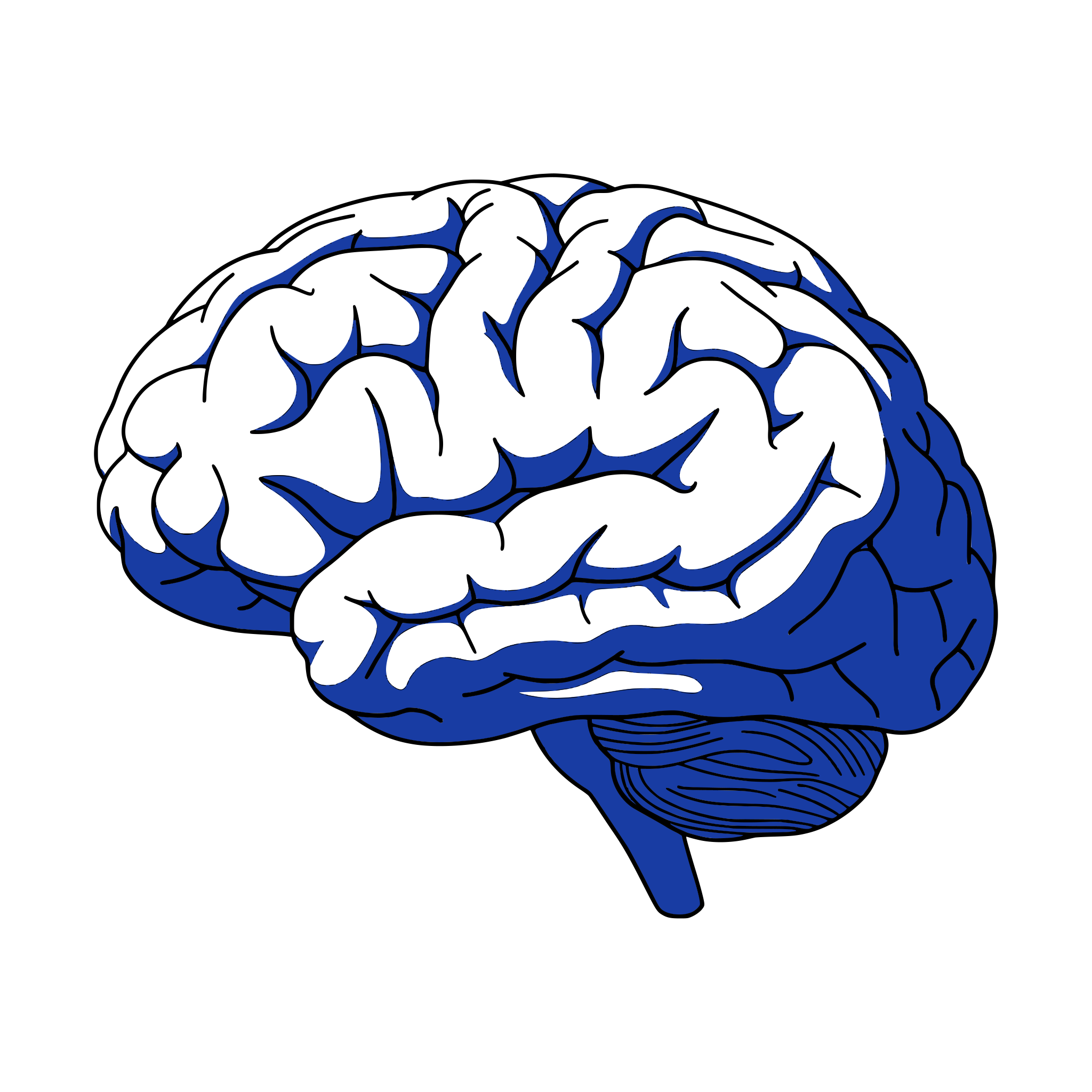
Hormones affect sleep
Progesterone has a sedative effect, while estrogen influences REM sleep. As these hormones fluctuate throughout your cycle, your sleep quality and patterns change too. Many women report poorer sleep in the days before their period.
Common sleep disruptions
Premenstrual insomnia, night sweats, vivid dreams, and difficulty staying asleep are all common cycle-related sleep issues. These can compound other symptoms like fatigue, mood changes, and difficulty concentrating.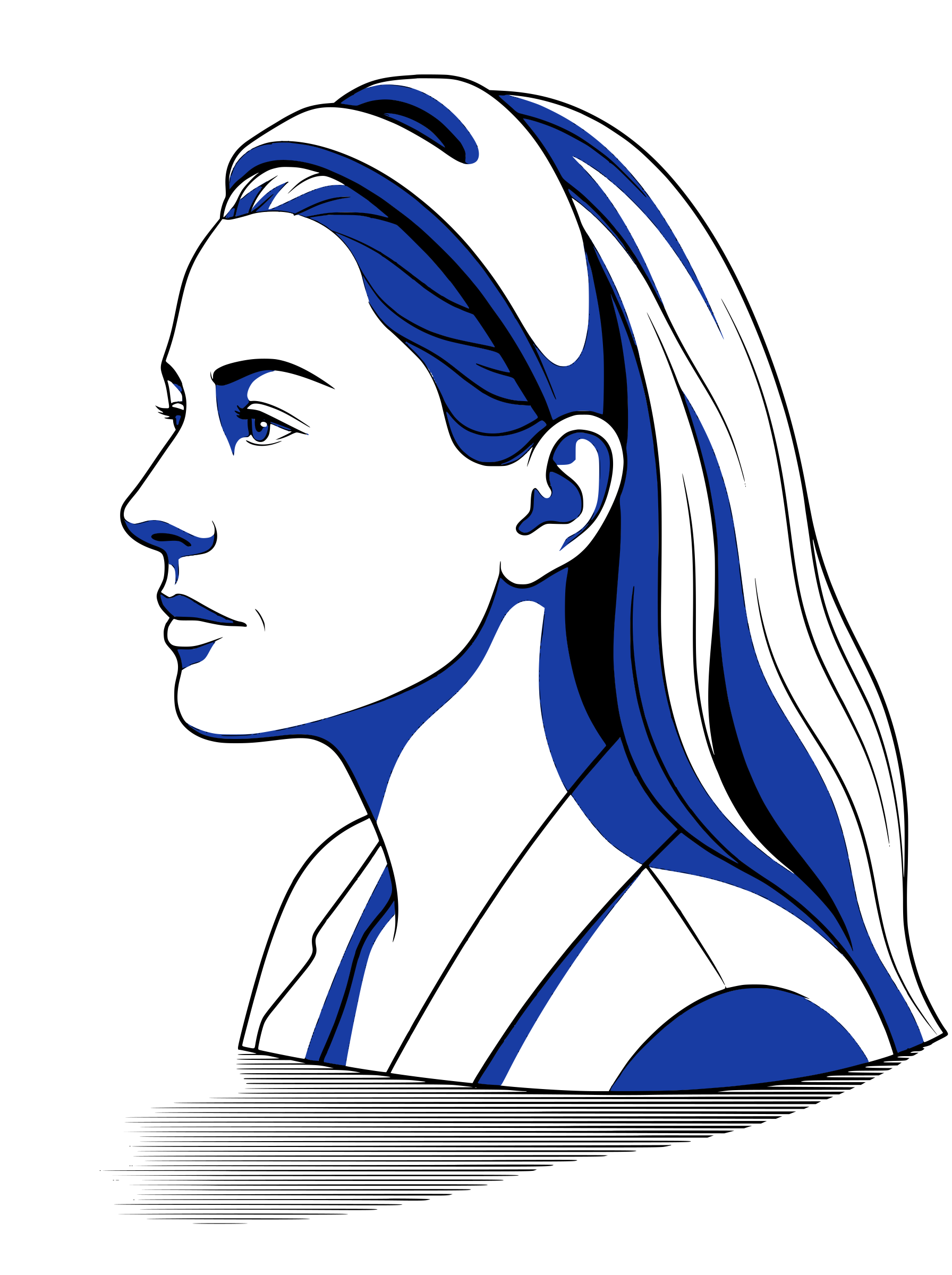
Cycle-aware sleep strategies
Understanding your cycle can help you anticipate sleep disruptions and adjust your routine. This might include earlier bedtimes during your luteal phase, temperature regulation, and brain-based tools to support relaxation.Possible Causes of Sleep and Rest

Progesterone fluctuations
Progesterone has a natural sedative effect. When levels drop sharply before menstruation, the calming effect is lost, making it harder to fall and stay asleep.
Estrogen and REM sleep
Estrogen influences the quality and duration of REM sleep. Lower estrogen phases can reduce restorative sleep, leaving you feeling unrested even after a full night.
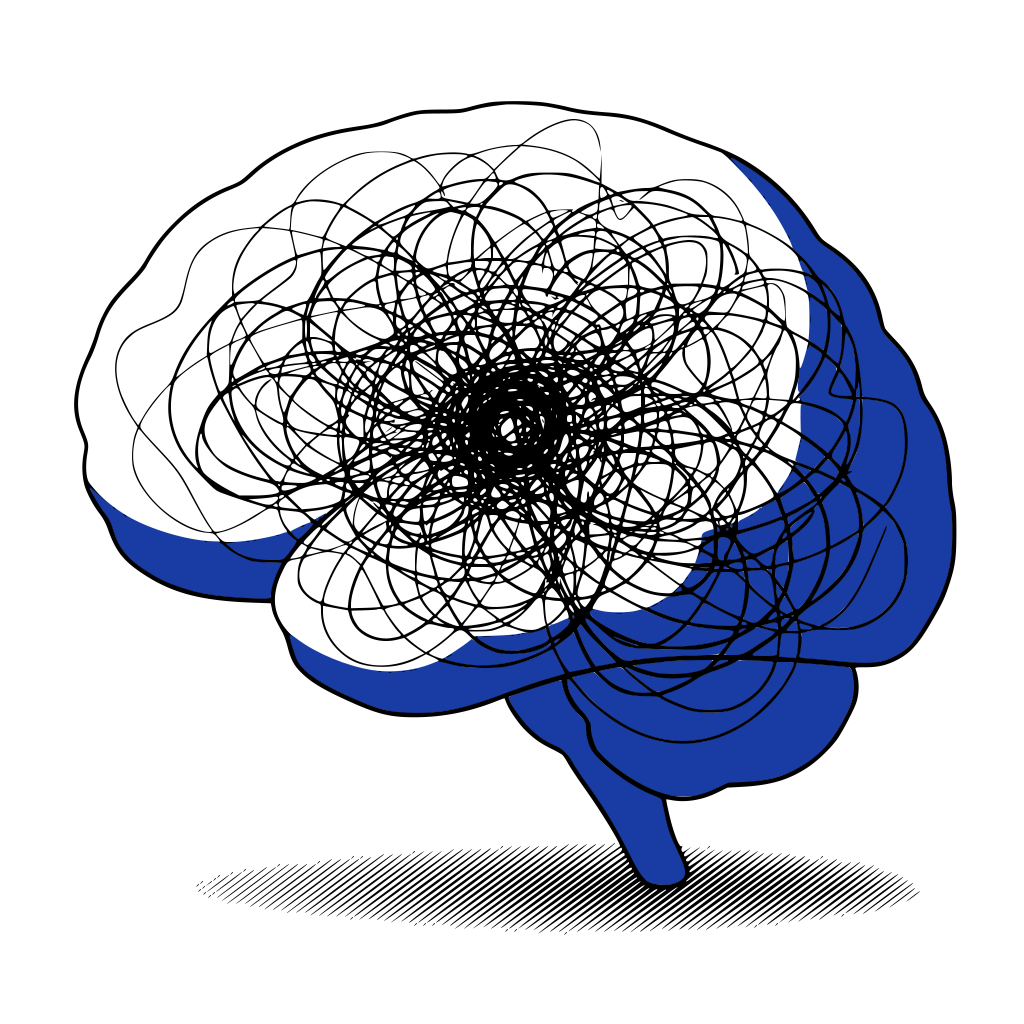
Body temperature changes
Progesterone raises core body temperature during the luteal phase. Since the body needs to cool down to initiate sleep, this temperature increase can delay sleep onset and reduce quality.
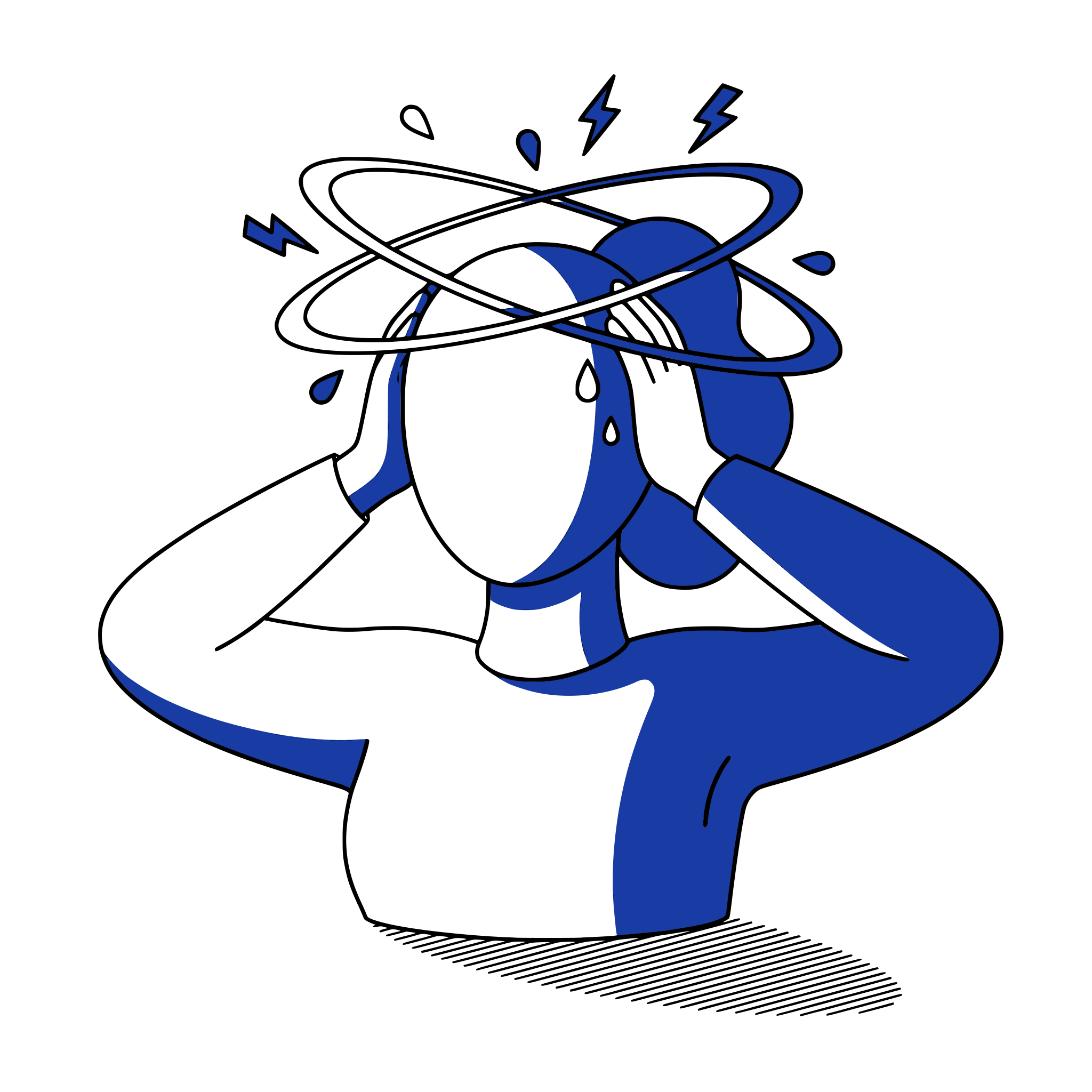
Pain and discomfort
Menstrual cramps, bloating, headaches, and breast tenderness can make it physically difficult to get comfortable and fall asleep, particularly around menstruation.
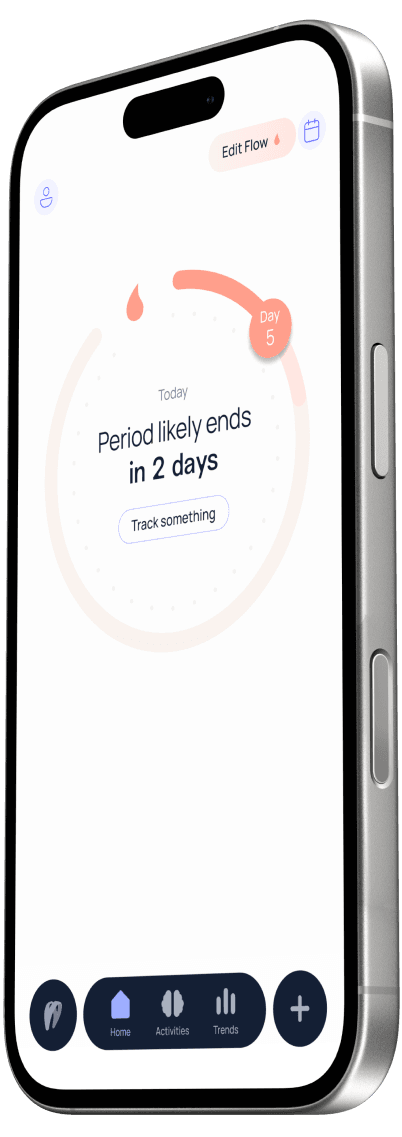
Your experiences with precision
The Samphire App helps you track a comprehensive range of symptoms, giving you the insights you need to better understand your experiences and communicate effectively with those around you.
Daytime brain fog
Difficulty thinking clearly or concentrating due to poor sleep quality
Difficulty falling asleep
Lying awake for extended periods, particularly during the luteal phase
Mood instability
Sleep deprivation amplifies emotional reactivity and mood swings
Daytime fatigue
Persistent tiredness despite spending adequate time in bed
Nighttime anxiety
Racing thoughts or worry that intensifies when trying to fall asleep
Morning headaches
Waking with headaches from disrupted or poor-quality sleep
Irritability
Short temper and low frustration tolerance from cumulative sleep loss
Night sweats
Temperature-related sleep disruptions, especially before menstruation
Feeling overwhelmed
Reduced coping capacity when sleep-deprived during demanding cycle phases
Pain-disrupted sleep
Cramps, bloating, or breast tenderness waking you during the night
Treatment Landscape
The Options Available
Improving cycle-related sleep works best when you combine sleep hygiene practices with an understanding of your hormonal patterns. Start with the basics, then explore additional options with your healthcare provider if needed.

Non-invasive neurostimulation
Brain-based approaches that help calm the nervous system and support relaxation, improving sleep quality across your cycle.
Cognitive behavioral therapy for insomnia
CBT-I is the gold-standard treatment for chronic insomnia, addressing the thoughts and behaviors that perpetuate poor sleep.
Sleep hygiene practices
Consistent sleep schedules, cool bedroom temperature, limited screen time before bed, and relaxation routines that work with your cycle.

Supplements
Magnesium, melatonin, and other supplements may support sleep quality, particularly during the luteal phase. Consult your healthcare provider.
Relaxation techniques
Progressive muscle relaxation, breathwork, and body scans can help activate the parasympathetic nervous system before bed.
Cycle-phase planning
Adjusting your schedule to accommodate predicted sleep disruptions — earlier bedtimes, lighter workloads, and extra wind-down time during your luteal phase.

Brain-based relief
Nettle™ supports pain and mood management through gentle neurostimulation — no hormones, no drugs, no known interactions.
Brain-based relief
Nettle™ supports pain and mood management through gentle neurostimulation — no hormones, no drugs, no known interactions.
Our Blog
Selected articles


Dos and Don'ts
Most Common Questions
Here are some of the most common questions about sleep and rest we receive from our community.
We see patterns others ignore.
Too often, systems treat symptoms in isolation. Our solutions work across the brain, body and cycle - connecting the dots between pain, mood, focus, hormones and more.











For educational purposes only
This information should not replace professional medical advice. Always consult with your healthcare provider for personalized medical guidance.
Contact Support